When investing in a photovoltaic system, attention is almost always focused on panel performance or inverter efficiency. However, there is a factor that is often overlooked and can compromise the entire system over time: galvanic corrosion.
It is a silent yet highly corrosive phenomenon, capable of damaging support structures and reducing the lifespan of the system. Understanding this risk is essential to ensure consistent performance and protect a significant long-term investment.
But have you ever thought about what really holds your system together?
The invisible enemy: what galvanic corrosion is and why it is a real risk
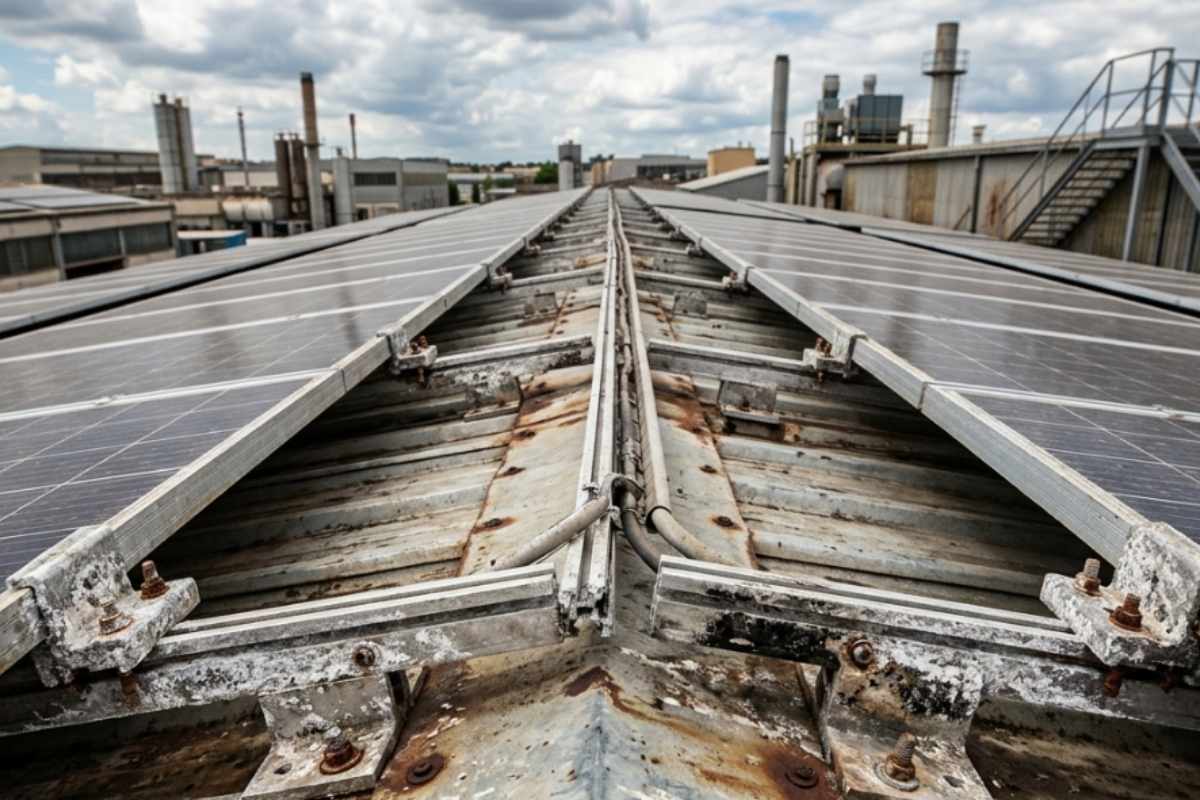
Often, the weak point of a photovoltaic system is not the electronics, but its structure. Galvanic corrosion occurs when two different metals come into contact in the presence of an electrolyte (such as water or humidity), generating an electric current that accelerates the degradation process.
Over time, this phenomenon leads to the formation of oxidized metal, compromising the integrity of structural components.
The conditions that favor galvanic corrosion in aluminum are very common:
- prolonged exposure to atmospheric agents
- industrial or marine environments (high salinity)
- presence of humidity and condensation
- contact with other metals (e.g. steel, copper)
The result is a progressive deterioration that often goes unnoticed until the damage becomes evident and costly to repair.
The problem with aluminum: it’s not as everlasting as it seems
Aluminum is the most widely used material for mounting systems in photovoltaic installations due to its lightness and workability. However, it has a significant vulnerability: its resistance to corrosion is not absolute.
Over the years, exposure to atmospheric agents and, above all, the onset of galvanic currents degrade the supports.
The result?
- Structural weakening: brackets and rails lose stability and load-bearing capacity
- Damage to panels: corrosion can extend to the module frame, compromising its integrity
- Increased maintenance costs: unexpected interventions to replace damaged components
In industrial settings or coastal areas, this process can be even faster and more aggressive, making aluminum less reliable than it may seem in the long term.
Our revolution: the strength of polymer
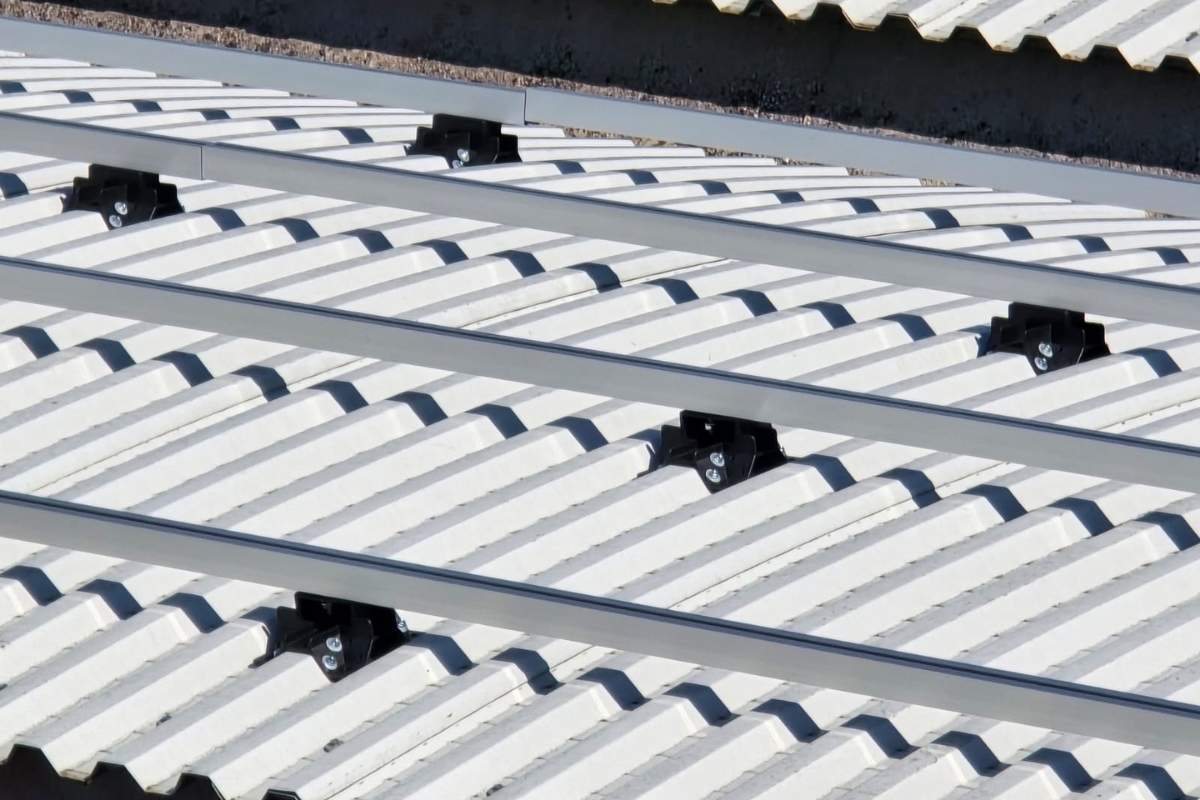
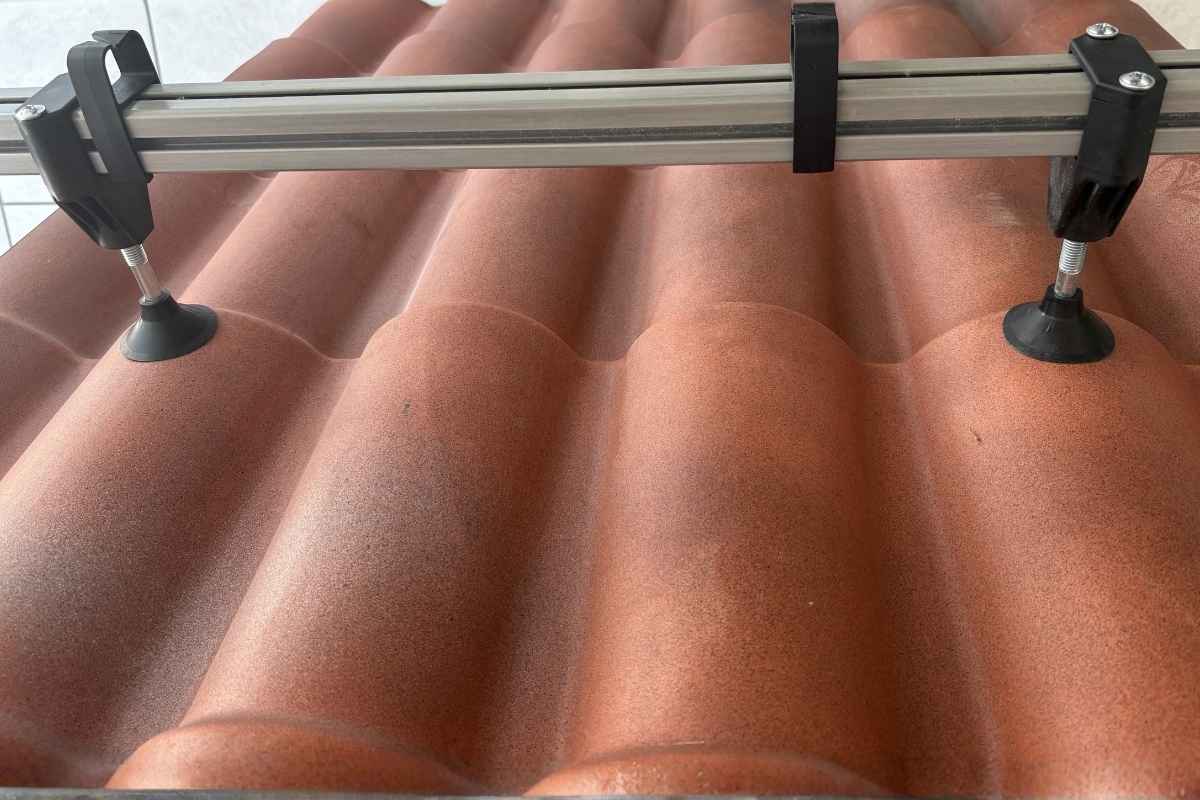
We decided to eliminate the problem at its root: say goodbye to metal on industrial rooftops. Our mounting structures represent a new generation of solutions, designed to ensure maximum corrosion resistance and long-term durability.
Made of glass fiber-reinforced Nylon (PA66), these structures use a high-performance technical material specifically developed for industrial environments and extreme conditions.
Why choose our systems?
1. Zero corrosion
Nylon is an inert polymer: it is not corrosive, does not oxidize, and is not subject to galvanic corrosion. It is resistant to both salinity and industrial pollution. Your system remains unchanged over time, without structural degradation.
2. No grounding required
Being an insulating material, our supports do not require grounding. This results in faster installations, fewer cables, and reduced construction costs.
3. Certified fire safety (Class V0)
Safety is a key factor. Our systems are made of self-extinguishing material certified V0: in the presence of flames, the material automatically stops burning, helping to protect the building.
4. Extreme mechanical resistance
Glass fiber provides the material with exceptional structural rigidity, with performance comparable to metals. The systems are designed and tested to withstand significant loads such as heavy snow, strong winds, and continuous mechanical stress.
5. Lightness and efficiency
In addition to strength, the material ensures remarkable lightness, making transport, handling, and installation easier.
This results in faster installation times and reduced operating costs.
Expert advice: think long term
A photovoltaic system is an investment designed to last at least 25 years. Underestimating the risk of galvanic corrosion means exposing yourself to structural issues that may arise over time, reducing efficiency and increasing maintenance costs.
A structure made of materials not subject to oxidation represents a strategic choice to ensure operational continuity and safety.
Do not let an apparently secondary component, such as an oxidized metal bracket, compromise an investment worth tens of thousands of euros.
Want to learn more? We are ready to show you how to make your system safer, more efficient, and longer-lasting by eliminating the risks associated with aluminum galvanic corrosion. Contact us to discover our solutions and request a free consultation!