Designing a swimming pool requires a comprehensive technical approach that starts from site analysis and goes all the way to system implementation. When deciding to design a pool, the first step is to define its intended use: a family relaxation pool, a sports training pool, or one for recreational events? This choice influences the depth, size, and shape of the basin. Pool design includes soil analysis, assessment of any structural constraints, and selection of the most suitable materials.
The preliminary design must consider factors such as orientation to the sun, exposure to wind, and compatibility with surrounding buildings. Designing a pool in residential environments also requires attention to local regulations: distances from property boundaries, accessibility, safety, and mandatory fencing systems. It is also essential to evaluate the intended seasonal or year-round use, as the choice of materials, insulation, and systems varies depending on the climate.
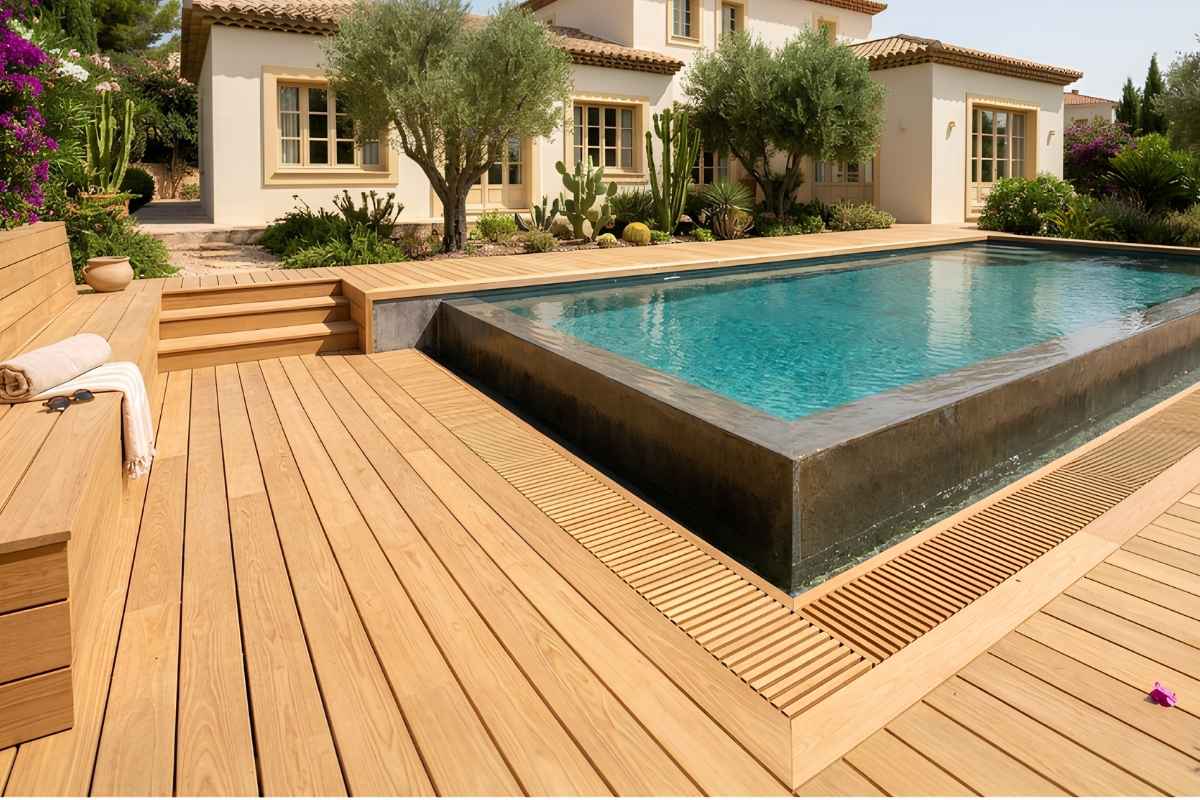
In modern pool design, besides the shape and depth, it is also important to define accessory areas such as edges, steps, decks, and spaces for sunbeds or umbrellas. The choice of materials affects durability, maintenance, and safety: non-slip coatings, rounded edges, and finishes resistant to water chemicals ensure comfort and reduce accident risks. The design phase cannot overlook aesthetic integration: a well-designed pool should harmonize with the garden, house, and surrounding landscape, becoming an integral part of the environment.
The importance of grids and technical details
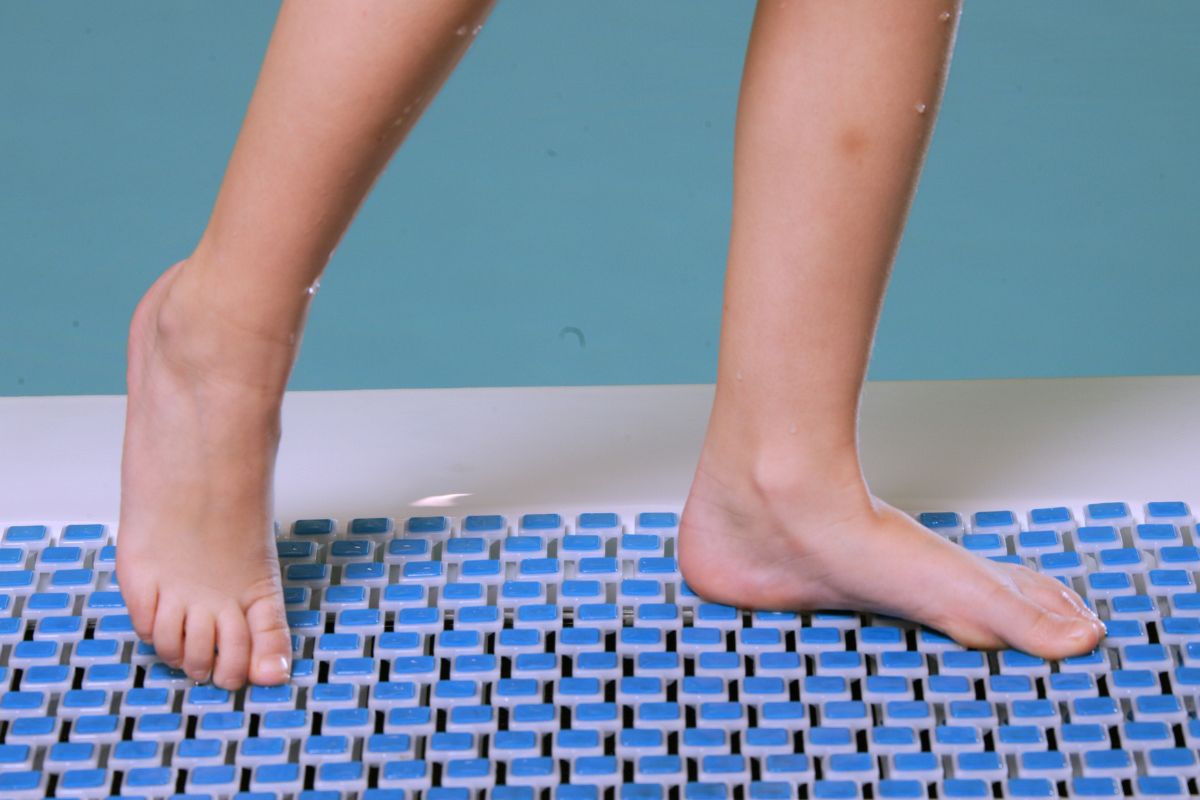
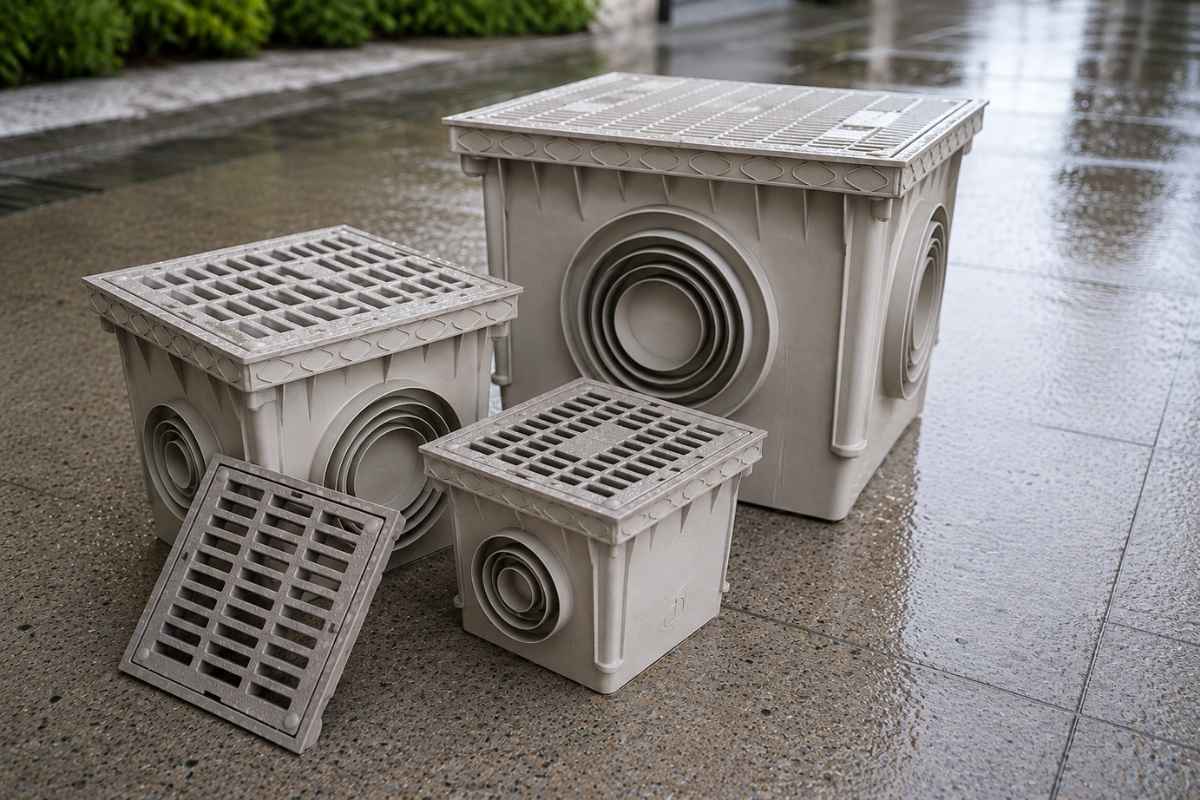
A crucial aspect of pool design is the choice of grids and drainage systems. Grids not only complete the pool’s aesthetics but are essential for safety, hygiene, and overall functionality. A quality grid ensures regular water flow, preventing stagnation that can cause algae or lime deposits. Furthermore, grids resistant to weather and chemicals withstand the weight of pedestrians and objects without deforming, enhancing safety around the pool.
Materials such as high-density PVC or reinforced polypropylene offer durability and long-term resistance. In modern pool design, it is also essential to consider the positioning of grids in relation to skimmers, pumps, and filtration systems to ensure maximum efficiency and reduce maintenance.
Grids also have an aesthetic function: choosing the right shapes, colors, and materials allows the drainage system to integrate harmoniously with the pool finishes and edges, making the facility elegant as well as functional. In designing a private or public pool, attention to technical details such as grids makes the difference between a long-lasting, safe, and enjoyable pool and a system prone to maintenance issues or premature deterioration.
Materials and systems: safety, durability, and efficiency
When designing a pool, the choice of materials and systems is decisive for achieving a safe, efficient, and long-lasting result. Reinforced concrete pools offer maximum customization and robustness but require more construction time and proper waterproofing. Prefabricated pools ensure quick installation and uniform finishes but have limitations in shape customization. Pool design must also consider the materials of edges, steps, and finishes, selected based on durability, aesthetics, and maintenance.
The systems are equally fundamental. Pumps, filters, water treatment systems, heating, and lighting must be sized according to the pool’s surface area and depth. Well-designed systems reduce energy consumption, increase filtration efficiency, and maintain crystal-clear water for longer. Accessories such as protective covers and child safety systems also contribute to creating a safe environment.
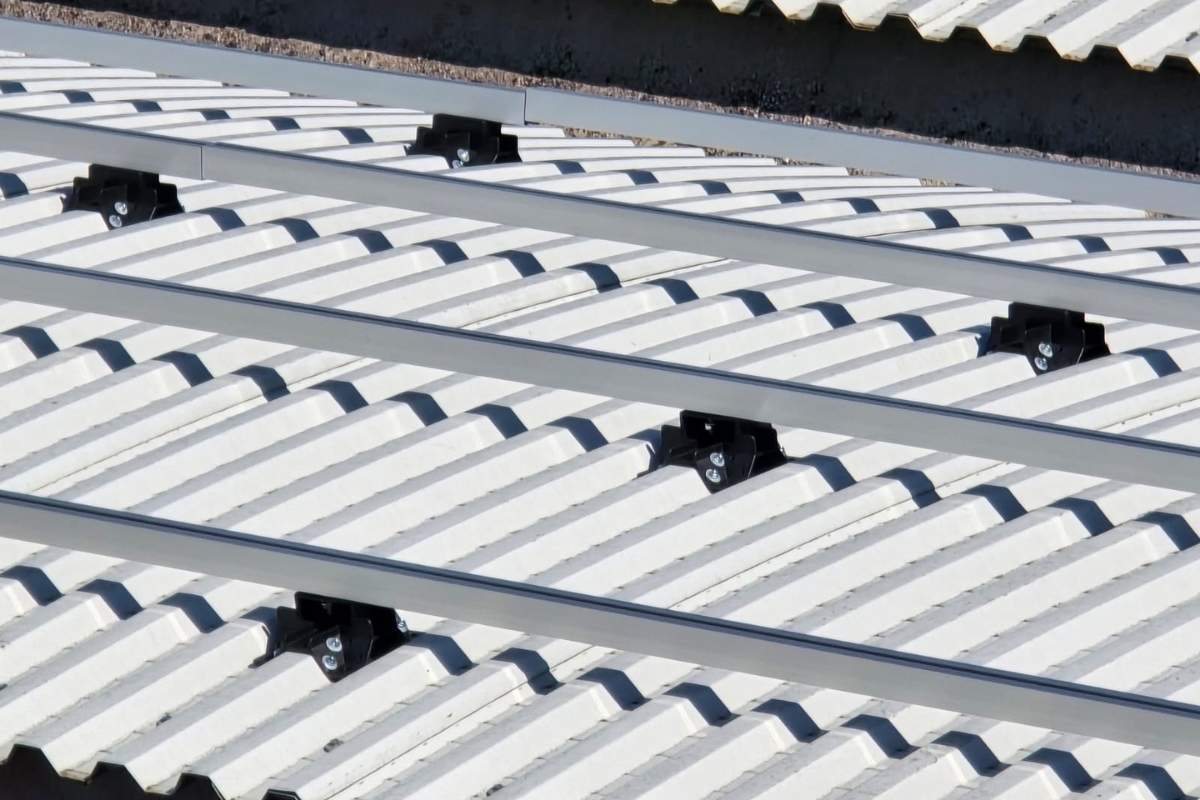
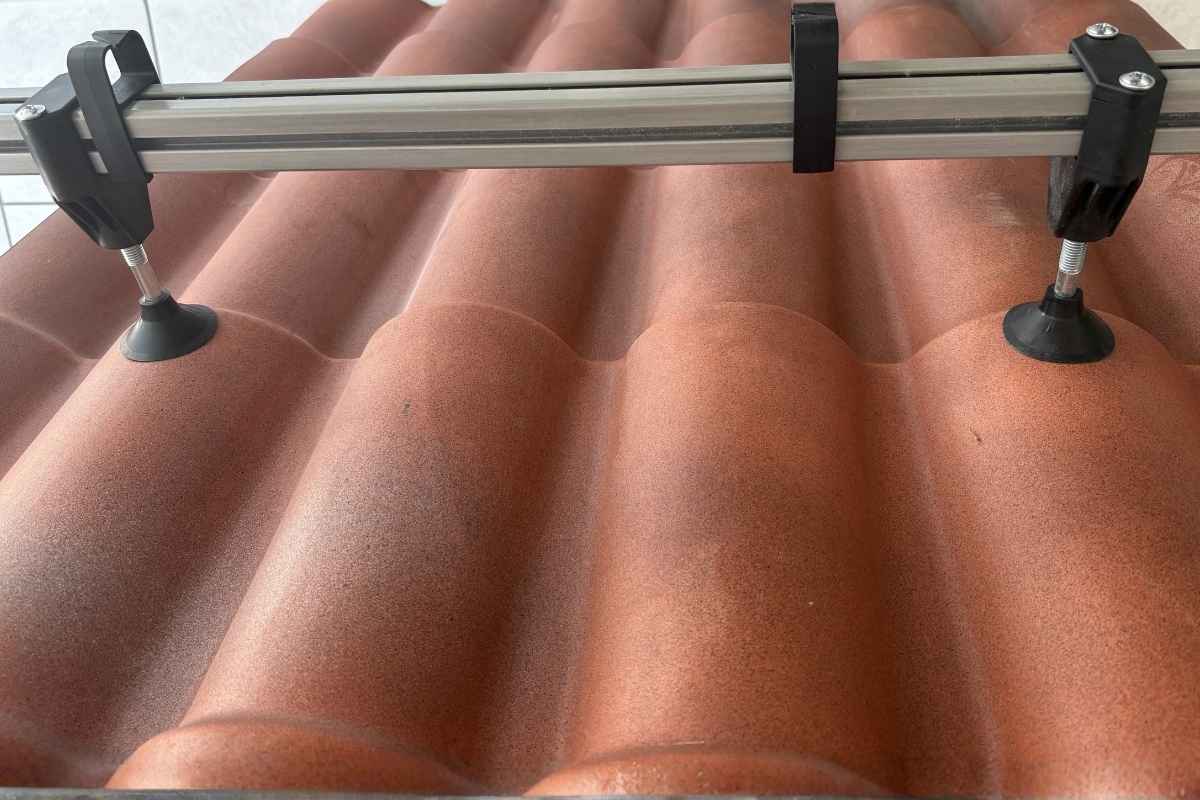
Modern pool design also requires attention to compatibility between metallic and plastic materials to prevent corrosion or premature deterioration. Using high-quality components such as supports, fasteners, and grids resistant to chemical and atmospheric agents improves the system’s durability, reducing maintenance costs and extraordinary interventions. A detailed project considers every aspect, from filtration systems to drainage, ensuring an efficient, safe, and enjoyable pool.
Construction and attention to detail: towards a complete pool
The construction phase of a pool follows the defined project but requires attention to technical details and selected materials. Installation of grids, pumps, filters, and heating systems, waterproofing of walls, and edge finishing must be executed precisely, respecting the criteria defined in the design phase. Only in this way can safety, functionality, and long-term durability be ensured.
High-quality grids, in particular, are essential for correct water flow and user safety. Choosing grids that are durable, easy to clean, and integrated into the pool design prevents dirt accumulation and reduces the risk of slips or structural damage. Attention to these details contributes to creating a pool that is aesthetically pleasing, efficient, and ready for all types of use.
Thus, investing in complete design, from material selection to choosing grids and system components, allows for a durable, safe, and high-performance facility. To create a pool that combines aesthetics, functionality, and safety, it is recommended to rely on expert professionals capable of evaluating every technical detail and proposing customized solutions at every stage of the project.