The installation of photovoltaic panels is now one of the most popular solutions to reduce energy consumption and make your home or business more sustainable. Thanks to solar energy, it is possible to produce clean electricity, lower utility bills, and increase the value of the property.
However, to achieve optimal performance and ensure the long-term safety of the system, it is essential that every stage of photovoltaic installation is carefully planned: from the choice of roof to the mounting systems. In this guide, we will explore all the main aspects related to photovoltaic system installation, analyzing the different solutions available and the factors to consider for an efficient and durable result.
How to install a photovoltaic system? All factors to consider
Before proceeding with the installation of a photovoltaic system, it is crucial to evaluate some technical elements that directly influence the energy output and structural safety.
One of the most important factors is the roof orientation. A photovoltaic panel installed facing south with the correct tilt ensures maximum energy production throughout the year. However, southeast or southwest orientations can also offer excellent results, especially if paired with proper system sizing.
Another key aspect concerns the tilt angle. On pitched roofs, this is generally already defined, while on flat roofs, support structures are necessary to achieve the ideal angle. In this case, solar panel installation requires more careful planning to avoid shading between modules and ensure structural stability.
Load verification is an essential step. A photovoltaic system adds weight to the roof, so it is important to ensure that the structure can support it. Environmental loads such as wind and snow must also be considered, as they can affect the integrity of the mounting systems.
Regulations also play a central role in photovoltaic systems. Installations must comply with specific technical and safety standards, both for electrical components and module anchoring. In some cases, permits or specific notifications may be required, particularly in areas with landscape restrictions.
Finally, it is essential to assess potential shading from trees, chimneys, or nearby buildings. Even a small shaded area can significantly reduce the overall system production, making the investment less efficient.
Photovoltaic panel installation: solutions based on roof type
Photovoltaic panel installation can vary significantly depending on the type of surface on which they are mounted. Each roof type has specific characteristics that require dedicated mounting systems.
On pitched roofs with tiles, installation usually takes place using hooks anchored to the underlying structure. This solution allows modules to be secured without compromising the roof's waterproofing, while maintaining good ventilation for the panels.
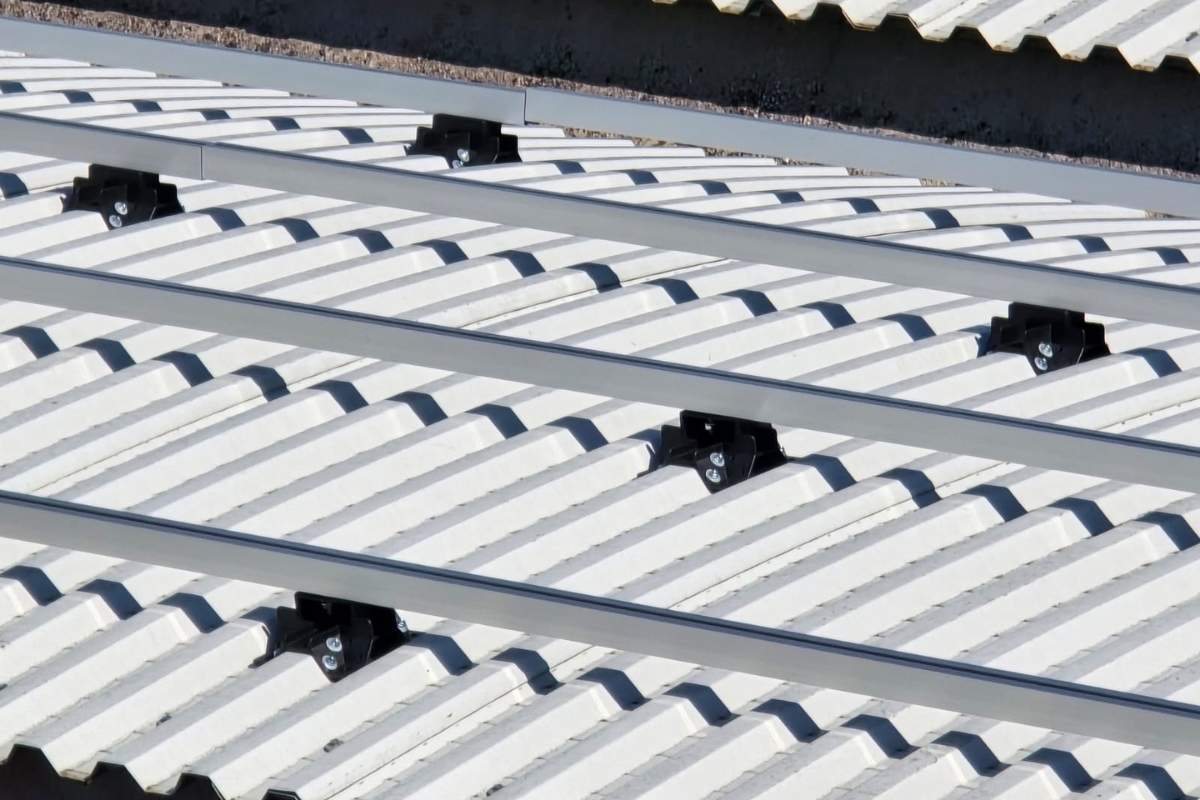
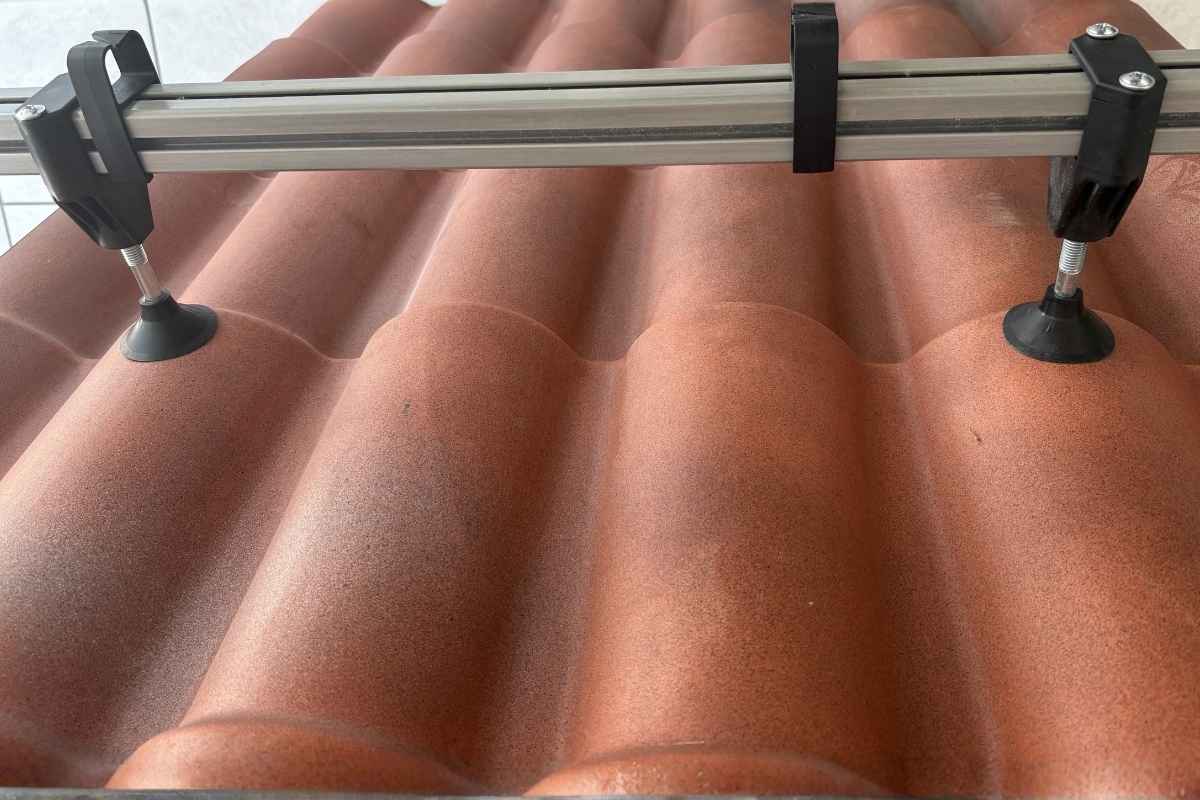
For roofs with curved tiles, specific systems designed to adapt to the shape of the elements are required. In this case, photovoltaic installation requires particular care to avoid breakage and ensure even load distribution.
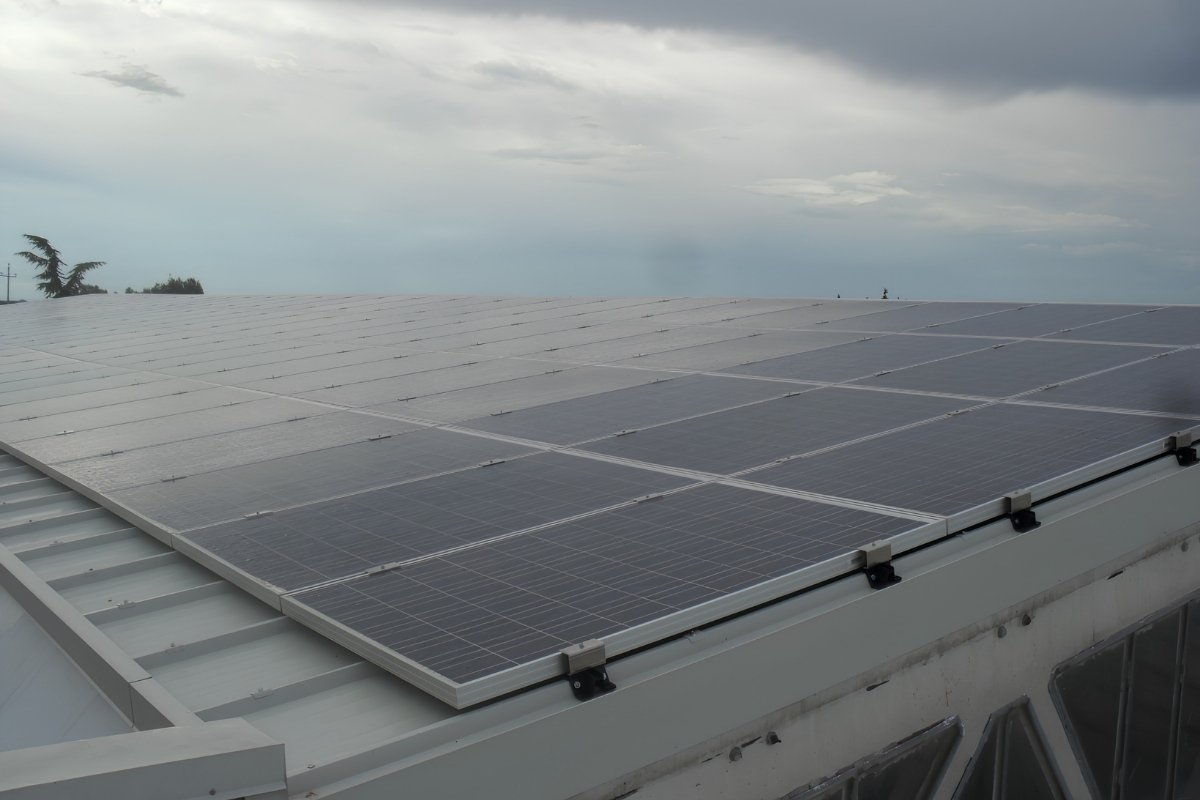
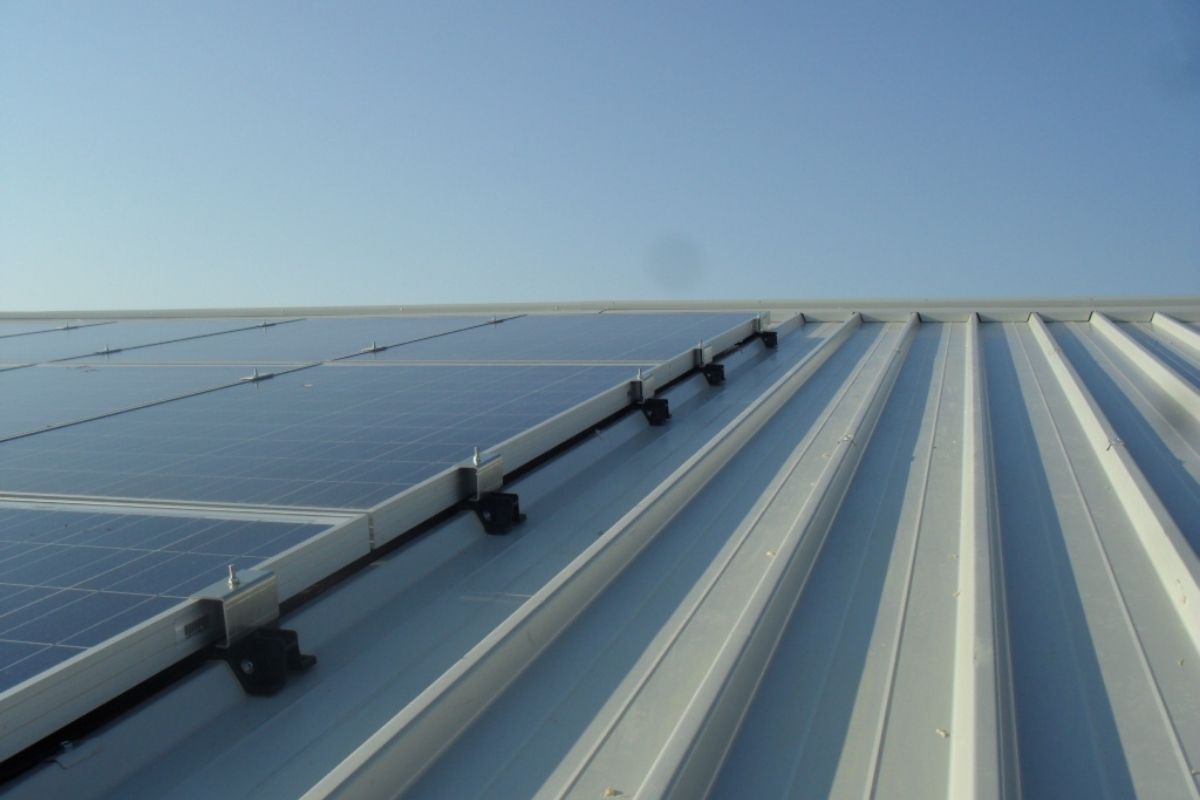
Metal roofs allow faster installation thanks to direct mounting systems. These solutions reduce installation time and improve stability, making photovoltaic system installation particularly efficient.
On flat roofs, the modules are mounted on tilted structures to achieve the best possible exposure. It is crucial to correctly plan the spacing between rows to avoid shading and ensure maximum output. The structures can be fixed to the roof or ballasted, depending on the needs and characteristics of the building.
Another solution is ground-mounted systems, mainly used in industrial or agricultural contexts. This type of photovoltaic installation allows great flexibility in orientation and sizing but requires more available space.
Each context therefore requires specific planning. The choice of support and mounting systems must be based on roof characteristics, environmental conditions, and energy goals.
Mounting systems for photovoltaic systems: safety and long-term durability
One of the most important elements in photovoltaic panel installation is the mounting system. These components ensure the stability of the modules over time, resisting stresses such as wind, snow, and thermal expansion.
A quality mounting system is designed to provide secure anchoring without compromising roof integrity. It is essential to prevent water infiltration or structural damage that could compromise the entire system.
In the photovoltaic sector, there are several solutions designed to adapt to various roof types. Modular systems, for example, allow quick and flexible installation, reducing labor time and costs while ensuring high resistance and durability.
Another aspect to consider is material quality. Mounting systems must be made of corrosion-resistant materials, such as stainless steel or aluminum, to maintain performance even in harsh environmental conditions.
Proper mounting design also affects the system's energy output. A stable and correctly positioned structure allows modules to maintain the ideal tilt, avoiding shifts that could reduce production.
Additionally, the systems must be certified and compliant with current regulations, ensuring safety both during installation and in the long term. A well-designed system can last over 25 years while maintaining high performance. Finally, ease of maintenance is important. A good mounting system should allow quick interventions if needed without compromising stability.
In conclusion, the installation of a photovoltaic panel is a process that requires technical skills, attention to detail, and careful planning. From roof assessment to the choice of mounting systems, every step is essential to ensure safety, durability, and efficiency.
Investing in a professionally installed system means not only producing clean energy but also ensuring a reliable system over time. Whether for private homes or industrial buildings, the quality of photovoltaic system installation makes the difference between a high-performing and inefficient system. Relying on solutions designed for different applications and choosing high-quality components is the first step to getting the most out of your system. Only in this way is it possible to fully harness solar energy, contributing to a more sustainable future and reducing energy costs.