Good news for small and medium-sized enterprises considering investments in photovoltaic systems: the Ministry of Enterprises and Made in Italy has officially extended the deadline for submitting applications for the "Support for Self-Production of Energy from Renewable Sources in SMEs – FER" program.
The new deadline to access photovoltaic incentives is 12:00 PM on November 10, 2025, giving companies an additional opportunity to obtain a non-repayable grant for the installation of photovoltaic panels or mini-wind systems. This initiative is part of the National Recovery and Resilience Plan (PNRR) and represents a concrete opportunity to improve energy efficiency, reduce costs, and contribute to environmental sustainability, while benefiting from grants and government incentives.
Who can benefit from the program and what are the main requirements?
The program is aimed at Italian SMEs, including micro, small, and medium enterprises operating nationwide. Companies in the coal sector, primary agricultural production, fishing, and aquaculture are excluded. Additionally, enterprises must comply with the European DNSH (Do No Significant Harm) environmental principles to ensure the sustainability of activities supported by the program.
Eligible investments range from €30,000 to €1,000,000, allowing even smaller companies to access a concrete photovoltaic incentive. The grant covers up to 40% of expenses for micro and small enterprises and up to 30% for medium-sized enterprises, also extending to storage systems with coverage up to 30% and up to 50% for energy audits.
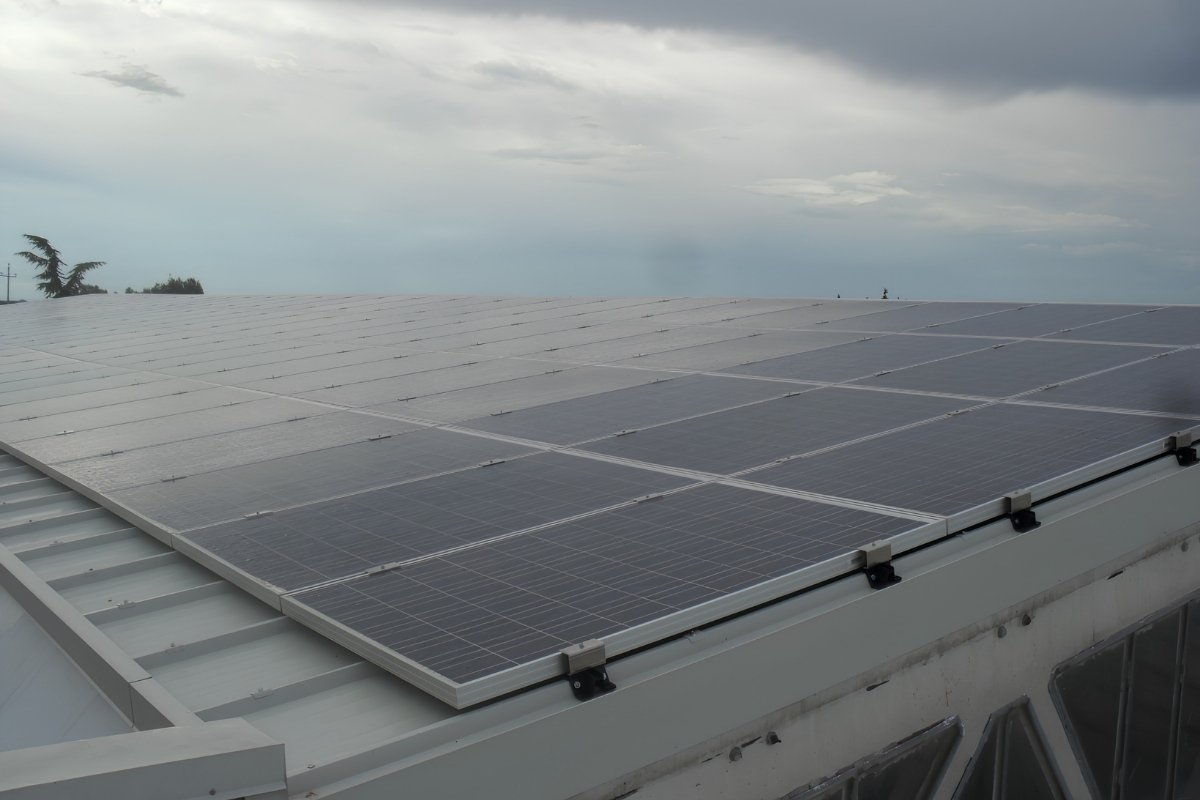
The program allows financing for the purchase of photovoltaic panels, mini-wind systems, and storage systems, as well as all necessary interventions to ensure the safety and efficiency of the plant. In practice, companies can build a complete system, from purchasing the solar panel to installation, including any necessary adjustments to the roof or installation surface. This integrated approach ensures that photovoltaic incentives are maximized and the investment is profitable and long-lasting.
What the program funds and how to use the incentive
Photovoltaic incentives cover a wide range of interventions related to self-production of energy, making the program a versatile tool for SMEs. The incentives finance:
- The purchase and installation of photovoltaic panels and related components;
- Storage systems for deferred self-consumption;
- Energy audits and preliminary planning;
- Structural adaptations of roofs or coverings;
- Small accessory works necessary to optimize system efficiency.
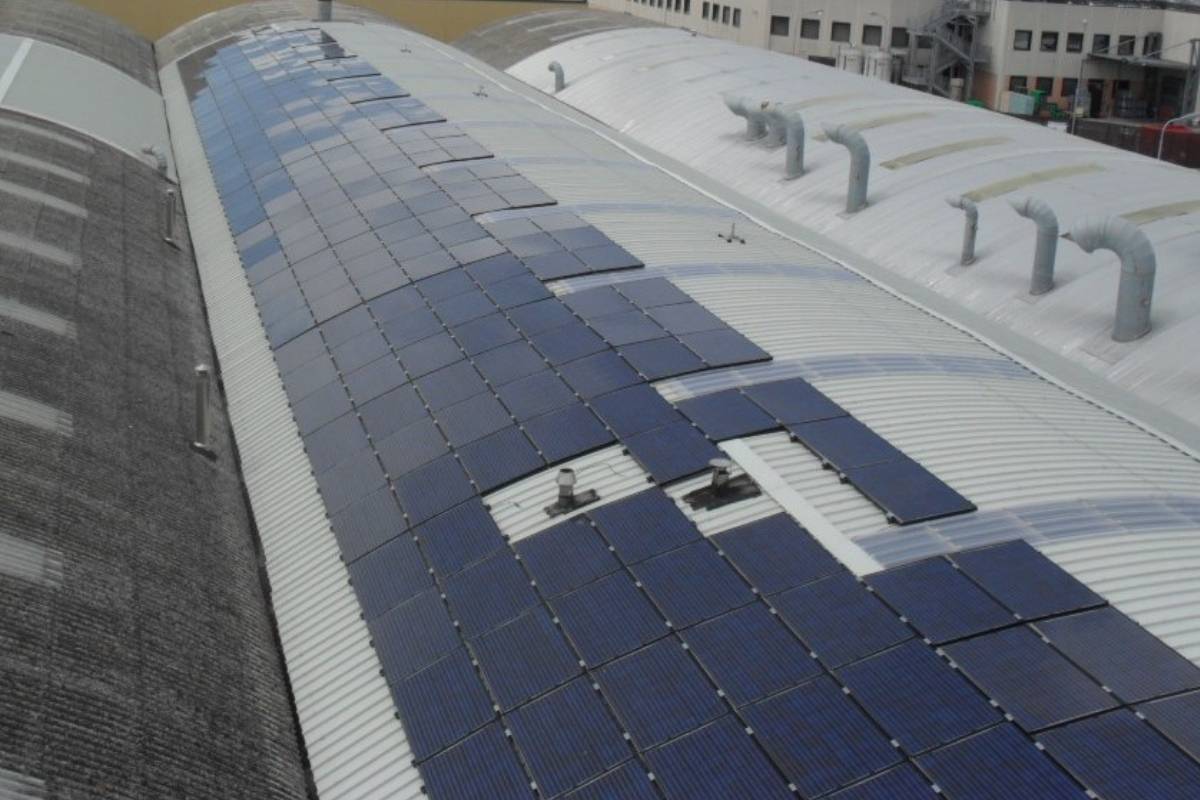
The goal is to allow companies to create sustainable, high-performance systems compatible with various types of buildings: industrial warehouses, civil roofs with tiles, flat roofs, or ground-mounted systems. Thanks to this financial coverage, the photovoltaic bonus and photovoltaic incentives become concrete tools to reduce initial investment costs and accelerate the economic return of the system.
Beyond immediate economic benefits, using the incentive allows SMEs to plan long-term energy-saving strategies, optimizing the use of solar panels and integrating storage systems to make the most of the produced energy. This makes the investment more convenient and improves the company's overall efficiency.
Advantages of self-producing energy with photovoltaic systems
Investing in photovoltaic panels is not just about benefiting from government contributions or incentives: it represents a real competitive advantage. The main benefits include:
- Reduced energy costs, thanks to autonomous energy production and the ability to store it for self-consumption;
- Environmental sustainability, reducing CO₂ emissions and improving the company's reputation;
- Energy independence, important for managing consumption peaks and operational continuity;
- Property value enhancement, as buildings equipped with efficient systems become more attractive to potential partners or clients;
- Access to incentives and subsidies, which help contain initial costs and make the investment economically advantageous.
Moreover, the possibility to combine photovoltaic incentives, the photovoltaic bonus, and storage systems makes the installation even more profitable. SMEs can plan smart investment strategies, optimizing available resources and achieving safe, efficient, and durable systems.
How to leverage the program with Nexus solutions for photovoltaic panel mounting
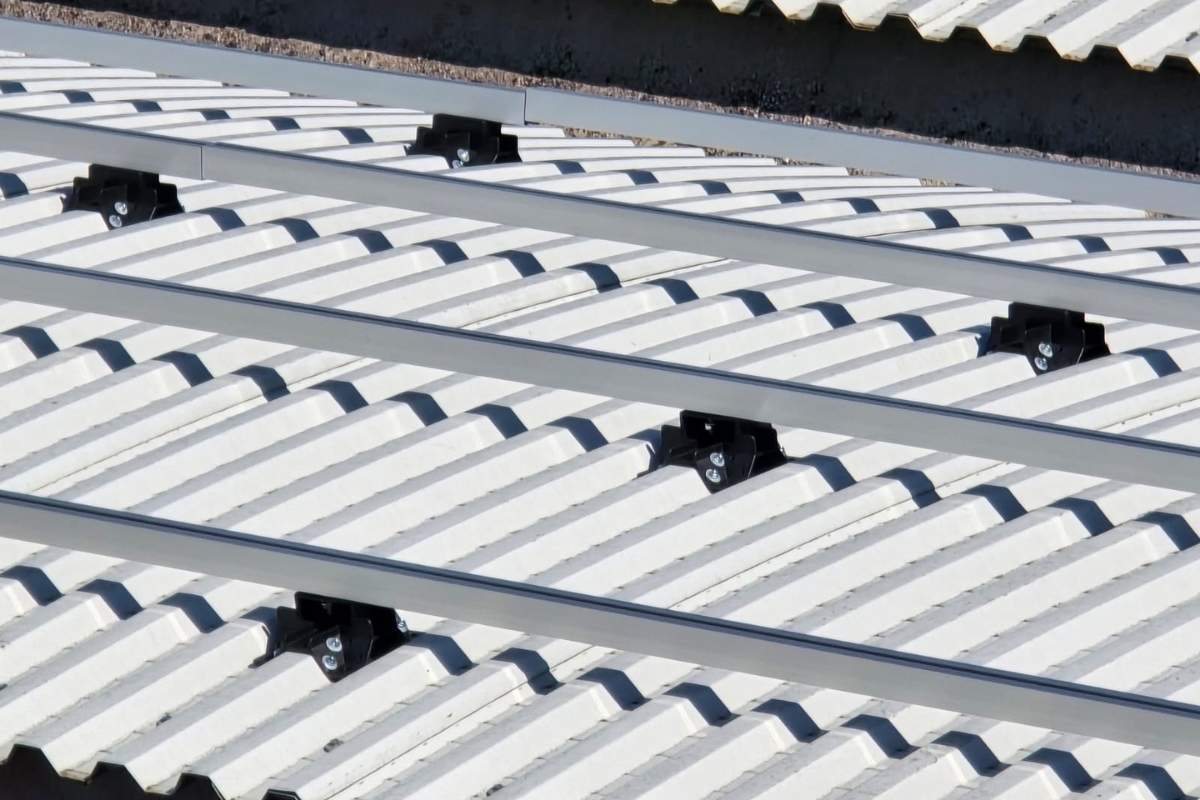
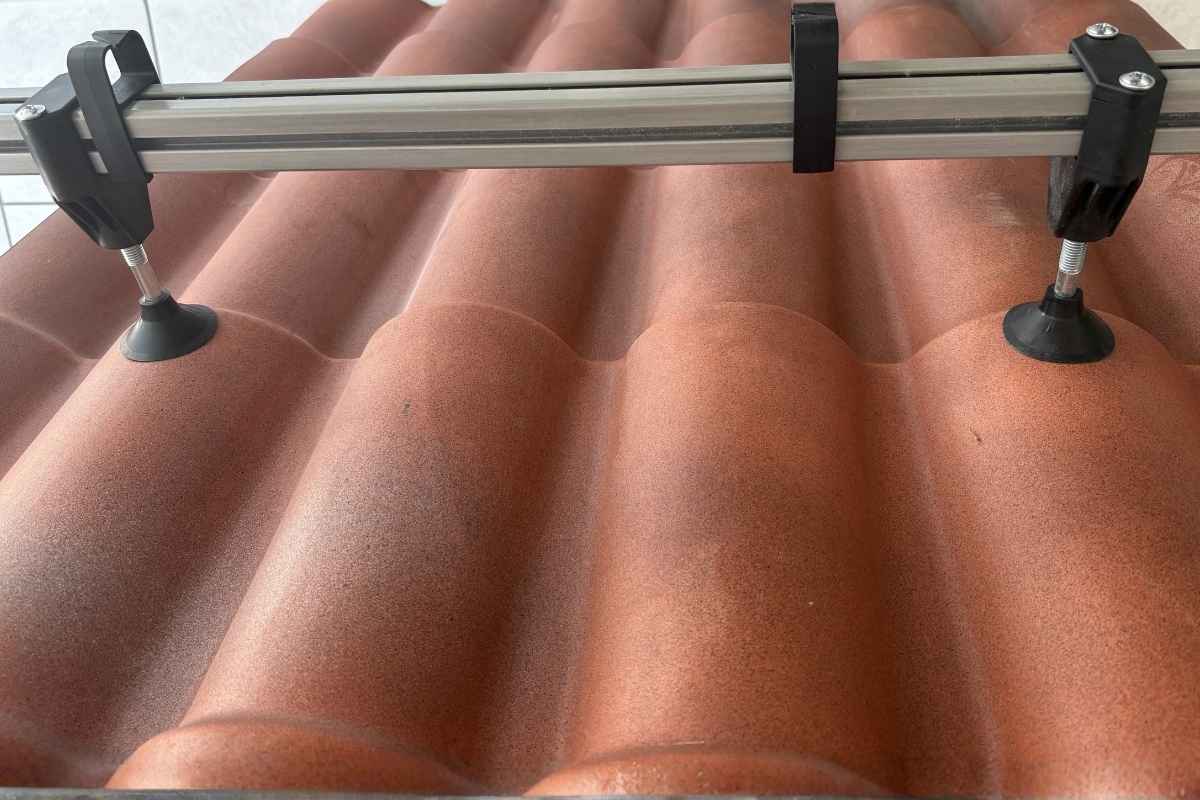
The correct installation of a solar panel is essential to ensure safety, efficiency, and plant longevity. Nexus systems offer patented solutions for positioning and securing photovoltaic panels on any surface and at any inclination, perfectly adapting to SMEs' needs.
Nexus brackets and tilters allow mounting on:
- Corrugated sheets and sandwich panels, typical of industrial warehouses;
- Tile roofs, both in reinforced concrete and wooden boards;
- Ground-mounted systems, with lightweight ballast fillable on-site;
- Flat roofs, industrial or residential, thanks to tilters and ballasts adaptable to any surface.
Nexus systems are made of glass fiber-reinforced nylon, also available in V0 flame-retardant class, ensuring easy and fast installation; reduced panel heating for greater efficiency; versatility and adaptability for any type of surface; durability and reliability with minimal maintenance; and maximized usable surface thanks to the ability to position panels at different angles.
The program extension gives SMEs more time to plan targeted investments, combining government contributions, the photovoltaic bonus, and reliable mounting systems. Using Nexus systems, companies can maximize available incentives; reduce installation time and costs; optimize the energy production of photovoltaic panels; and obtain safe, versatile, and durable systems.
From this perspective, the combination of incentives, subsidies, and Nexus solutions allows the creation of high-performance, safe, and efficient systems, with immediate economic benefits and long-term returns. SMEs can thus actively contribute to the energy transition, reduce environmental impact, and make their activities more sustainable while taking full advantage of the opportunities offered by the government's program.
For more information about Nexus brackets and solutions, you can visit the official website or download the technical brochure, discovering how to turn the program opportunity into a concrete, safe, and profitable system, combining incentives and advanced technological solutions.