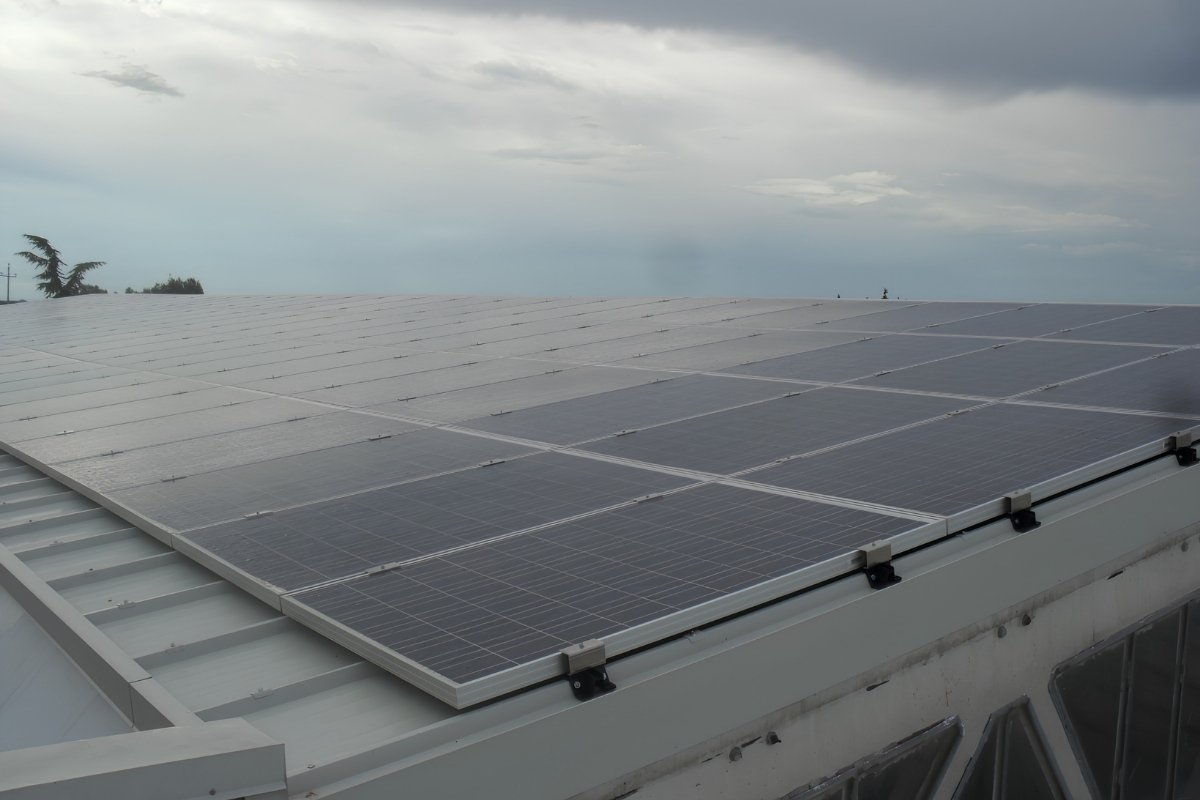
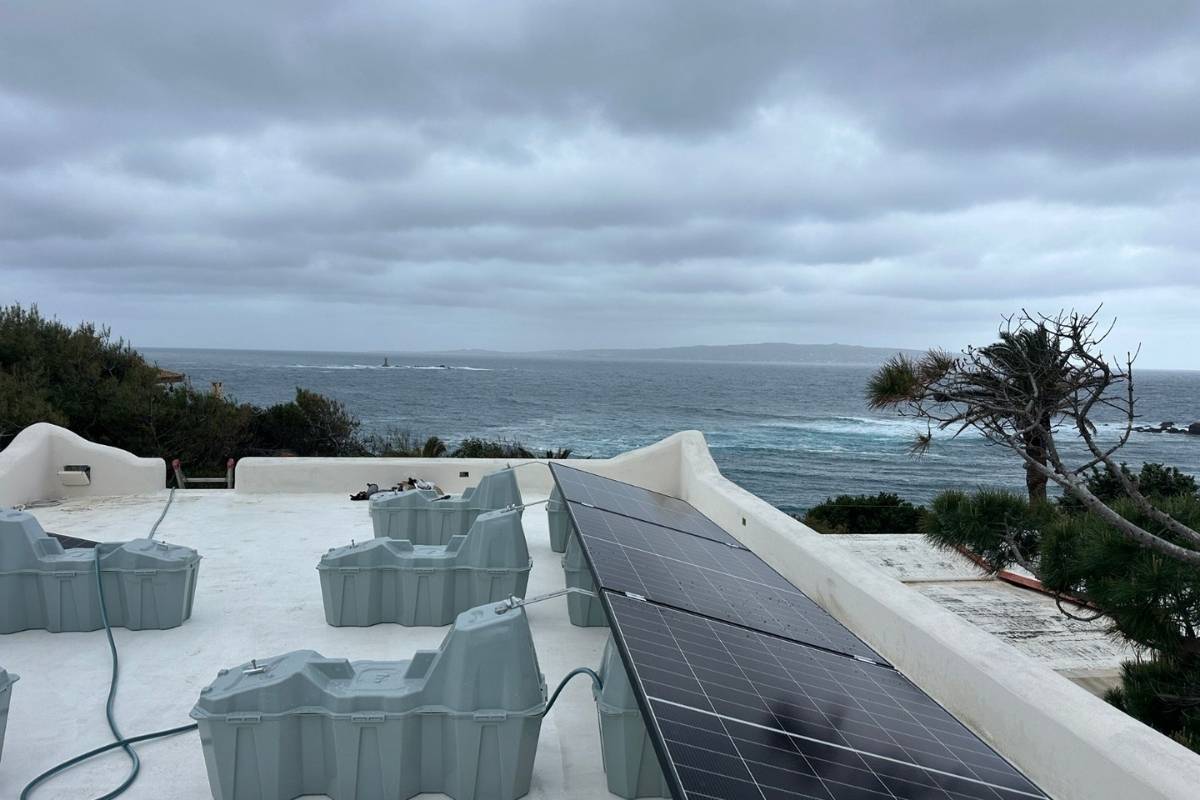
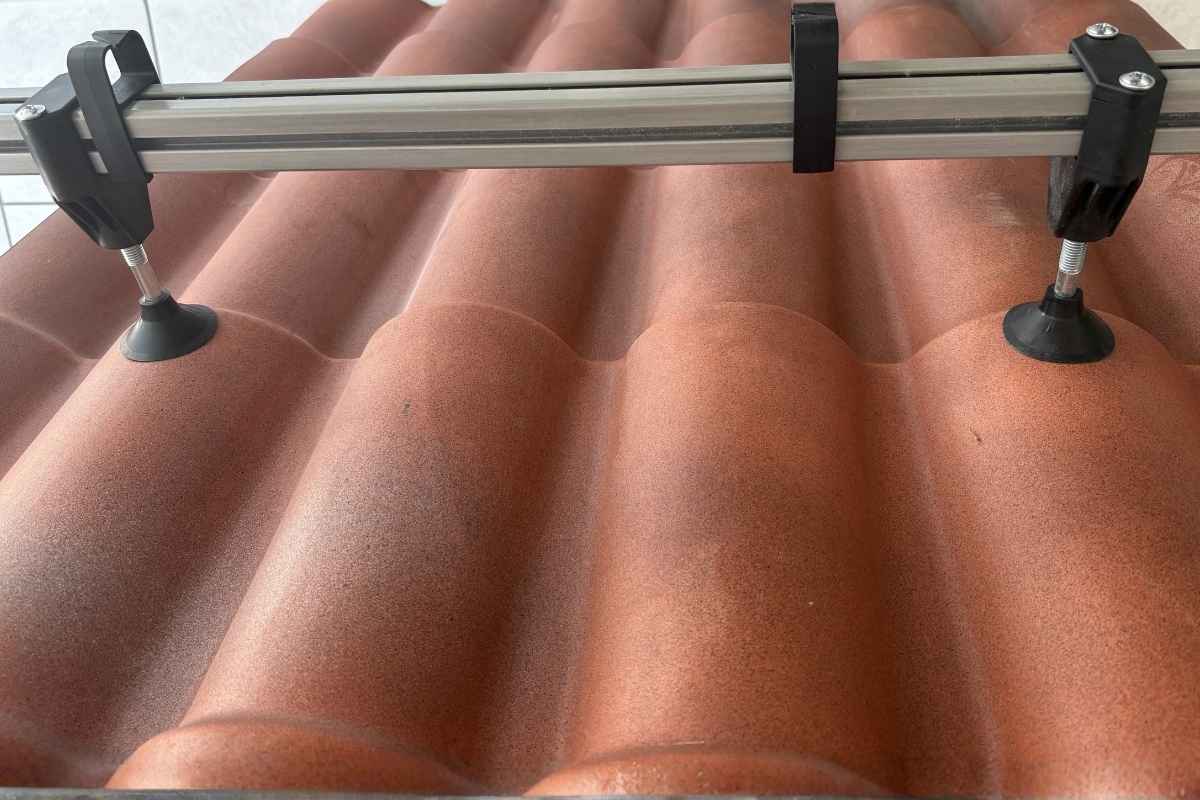
The development of innovative, high-tech solutions for the renewable energy sector continues. The latest milestone is the construction of a new photovoltaic plant in Sardinia, a cutting-edge engineering project installed on an industrial rooftop and designed using a system of highly versatile HDPE modular ballasts.
The choice of components was driven by the need to combine fast installation with maximum structural safety, efficiently addressing the climatic and logistical challenges typical of the Sardinian territory.
The system was configured with an East-West orientation and a fixed tilt angle of 15°. This installation geometry proves to be a particularly effective solution for optimizing energy production distribution throughout the day, while also improving the installation density of photovoltaic modules on flat roofs and maximizing the specific power output of the available surface area.
Lightweight, modular and durable ballasted system
The true innovation of the project lies in the support structure. The system uses HDPE ballasts (high-density polyethylene), a next-generation technopolymer widely appreciated in the industry for its chemical and physical properties:
- High mechanical strength: capable of absorbing static and dynamic loads generated by wind action.
- Weather resistance: excellent resistance to UV rays and temperature fluctuations.
- Total corrosion resistance: a key feature for installations in exposed environments such as Sardinia’s coastal areas, where salinity and humidity accelerate the degradation of traditional metal structures, as well as in aggressive industrial environments.
Simplified site logistics and cost reduction
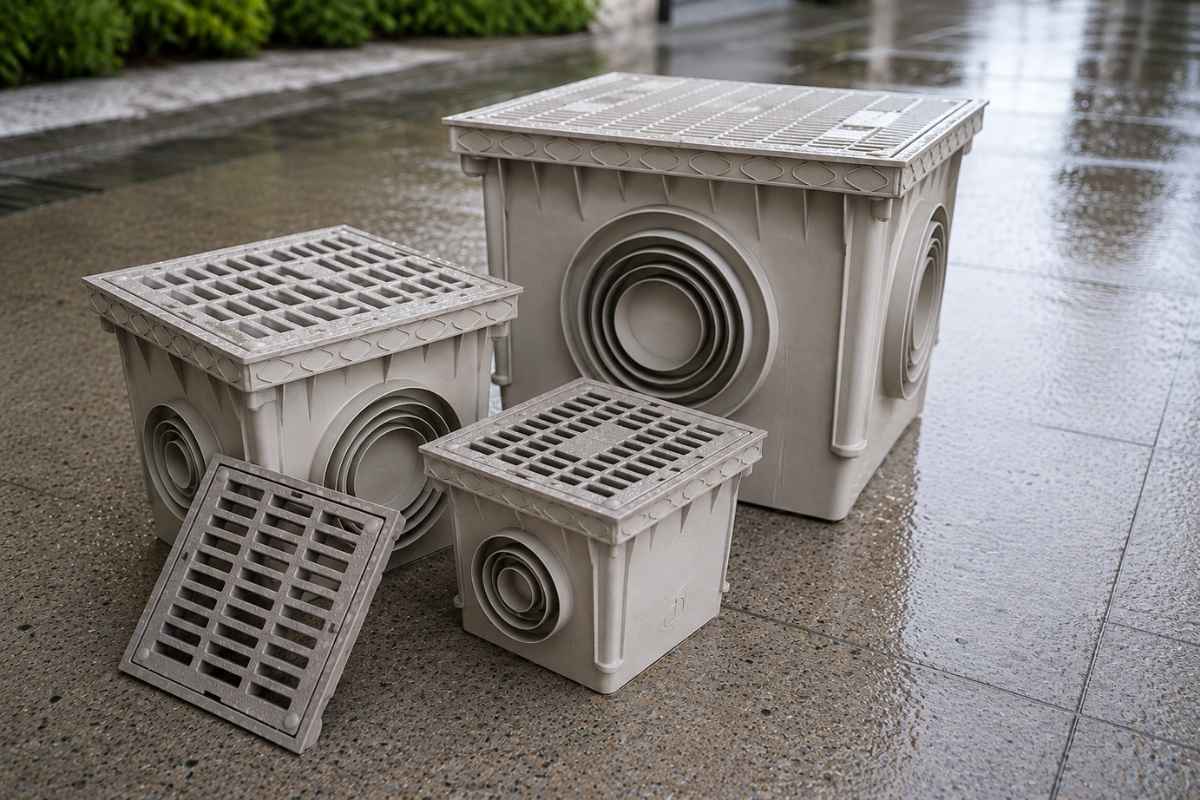
From a structural standpoint, the system consists of stackable base and cover components, with an empty weight of just 3 kg. This smart design was specifically developed to simplify transportation, handling, and on-site storage operations.
To ensure maximum engineering precision, two tank capacity variants are available, allowing flexible ballast configuration:
- Light Version: maximum capacity of 56 L
- Heavy Version: maximum capacity of 90 L
The geometric stackability of the elements significantly reduces transportation costs and site logistics requirements, optimizing space both during shipping and in ground storage areas. In addition, thanks to the extremely low empty weight, the components can be manually handled and transported directly onto the roof by operators, without the need for cranes, lifts, or dedicated hoisting equipment. This not only dramatically speeds up installation operations, but also reduces the complexity of rooftop activities, eliminating the risk of damaging the waterproof membrane.
This high level of modularity allows designers to easily adapt the ballast level (and therefore the ground load) to the specific requirements of each project, complying with roof structural verification constraints and accurately responding to the wind conditions defined by the site’s wind load calculation zone.
15° East-West configuration: operational advantages
The choice of an East-West configuration with a fixed 15° tilt angle represents an increasingly widespread and strategic solution in commercial and industrial photovoltaic systems (C&I). The benefits of this approach include:
- Better surface utilization: maximizes roof coverage by optimizing every usable square meter.
- Reduction of self-shading: by minimizing the distance between panel rows, the risk of mutual shading is eliminated even during winter months.
- More balanced energy production: shifts production peaks toward morning and afternoon hours, aligning perfectly with companies’ consumption profiles and promoting self-consumption.
- Optimization of roof loads: the “butterfly” arrangement reduces the sail effect, distributing forces more evenly across the roof slab.
- Higher overall efficiency: ideal for high-density installations where the goal is to maximize total plant capacity.
The fixed 15° structure also maintains an excellent balance between annual energy yield, aerodynamic stability, and installation speed.
Design flexibility for industrial photovoltaics
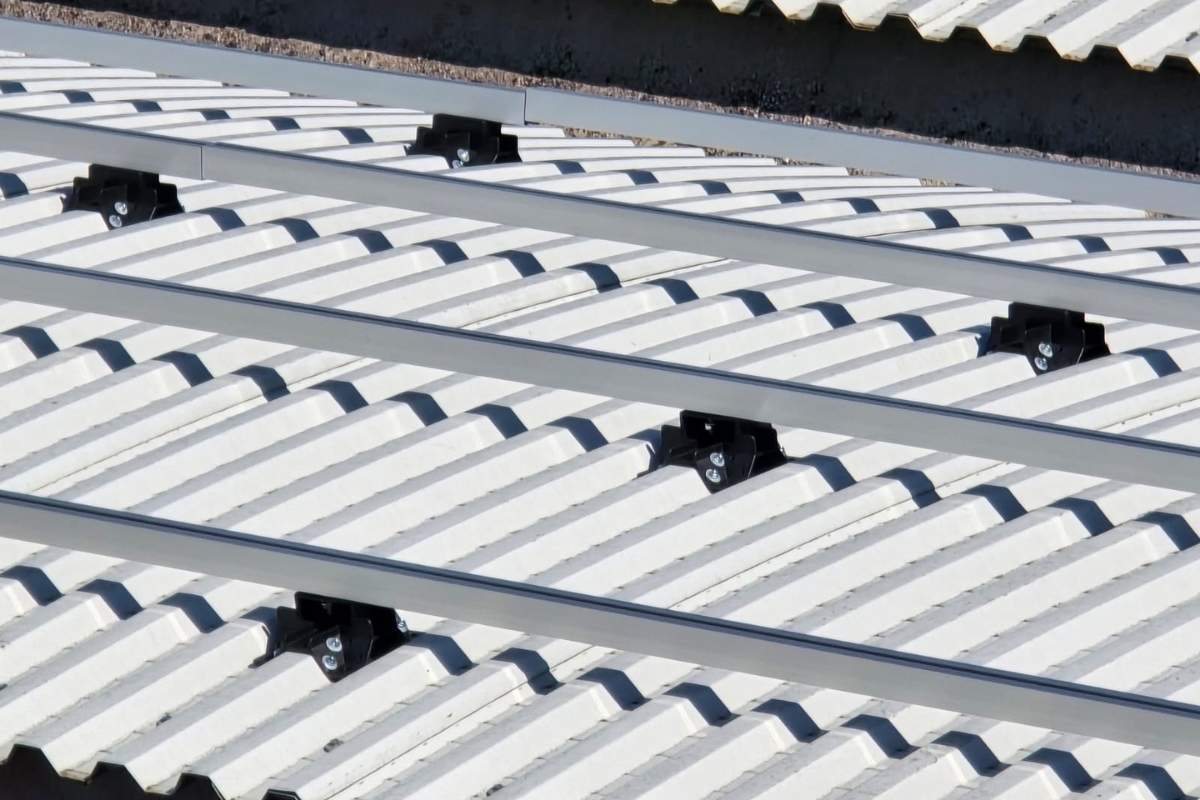
One of the system’s main strengths lies in its high design flexibility. The HDPE modular ballasts allow numerous installation configurations, adapting easily to different photovoltaic module sizes and types, complex rooftop layouts (including skylights, smoke vents, and ventilation systems), and strict structural requirements.
Thanks to the synergistic combination of lightweight logistics, application modularity, and material durability, the system represents the ideal solution for photovoltaic installations on industrial, commercial, and logistics rooftops. It guarantees installation companies a significant reduction in construction time and optimized routine maintenance operations.
The successful project completed in Sardinia once again confirms the importance of choosing reliable, versatile, and engineered photovoltaic mounting systems to deliver high performance and maximum safety, even in the most demanding environmental conditions.