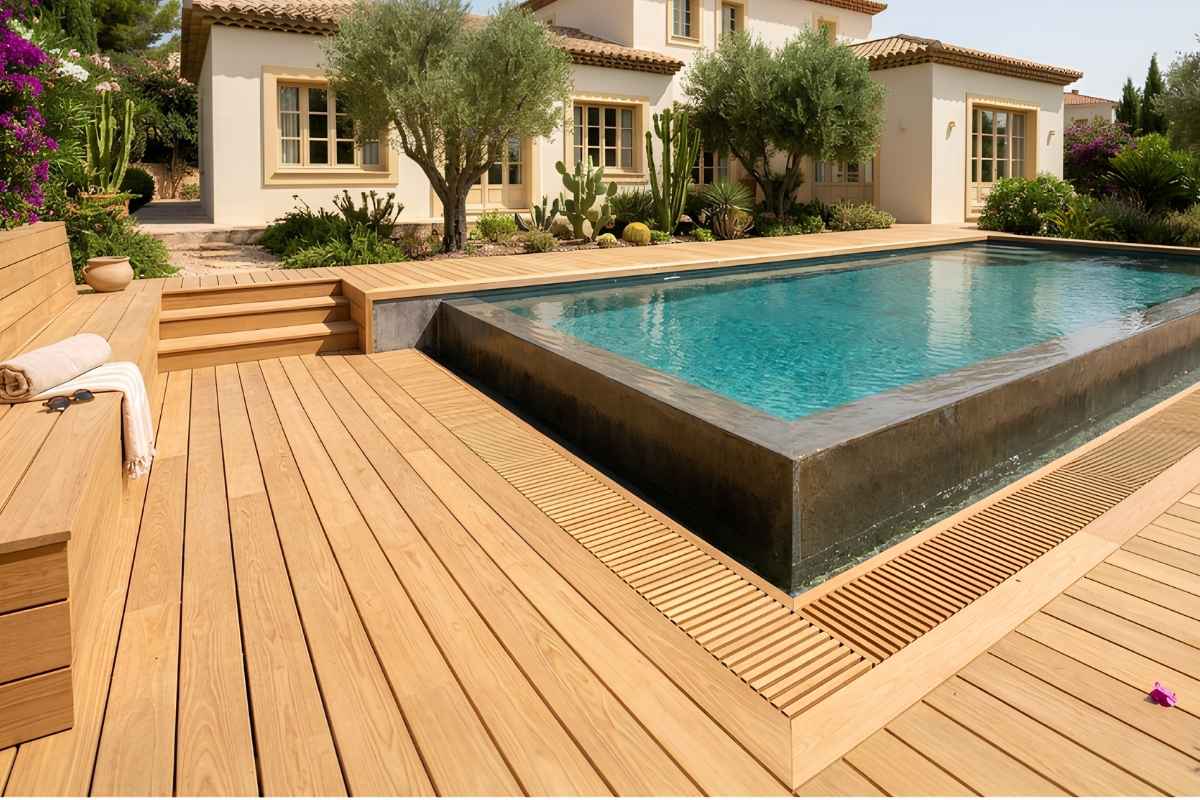
The architectural segment of modern swimming pools has elevated the infinity pool overflow edge to the highest expression of visual continuity and contemporary elegance. In both public and private facilities, as well as in the most exclusive wellness centers and thermal spas, the continuity between the water surface and the surrounding flooring represents not only an aesthetic achievement, but also a complex engineering challenge. At the center of this drainage system are the gratings, elements that must ensure perfect hydraulic collection while remaining constantly exposed to pedestrian traffic. Contemporary design has surpassed old structural standards through the application of artificial intelligence and computational fluid dynamics, focusing almost obsessively on materials science to resolve the historic dualism between maximum anti-slip safety and barefoot walking comfort.
Choosing the correct configuration for an infinity edge pool therefore means understanding that the grating is not simply a covering accessory, but a structural component subjected to severe chemical, mechanical, and thermal stress. Constant exposure to ultraviolet rays, the aggressive action of chlorine and salt, together with sudden temperature changes, require a molecular stability that traditional materials of the past could not guarantee. Today, technological evolution makes it possible to transform the perimeter of infinity overflow pools into a compromise-free area, where the choice of raw materials defines the longevity of the entire installation.
The revolution of Bi-Material systems
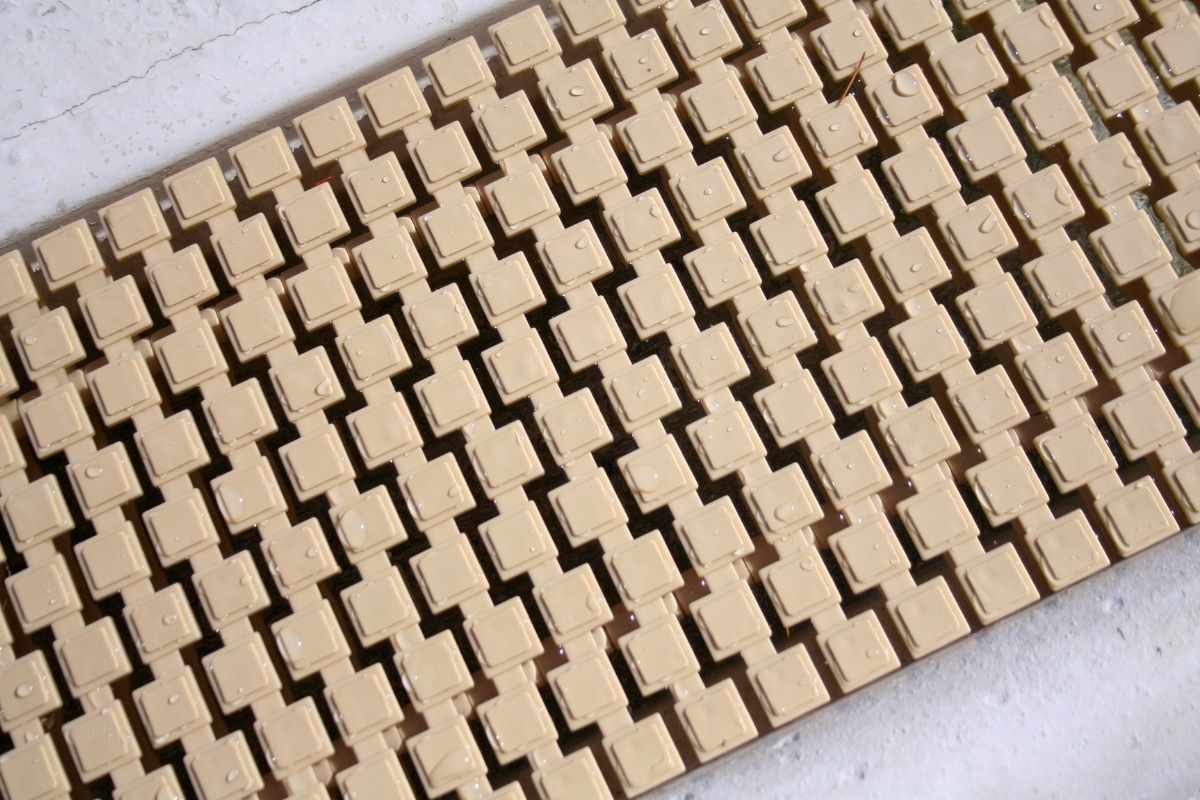
The real technological breakthrough in the field of infinity pool gratings is represented by the introduction of bi-material systems, an innovation capable of combining the mechanical properties of different polymers into a single structural body. This construction architecture features a rigid polypropylene base, a material renowned for its extraordinary resistance to loads, hydrolysis, and the chemical agents used in water sanitation. Polypropylene ensures that the pool overflow edge maintains its geometric stability over time, resisting static and dynamic pressure without deformation or structural failure.
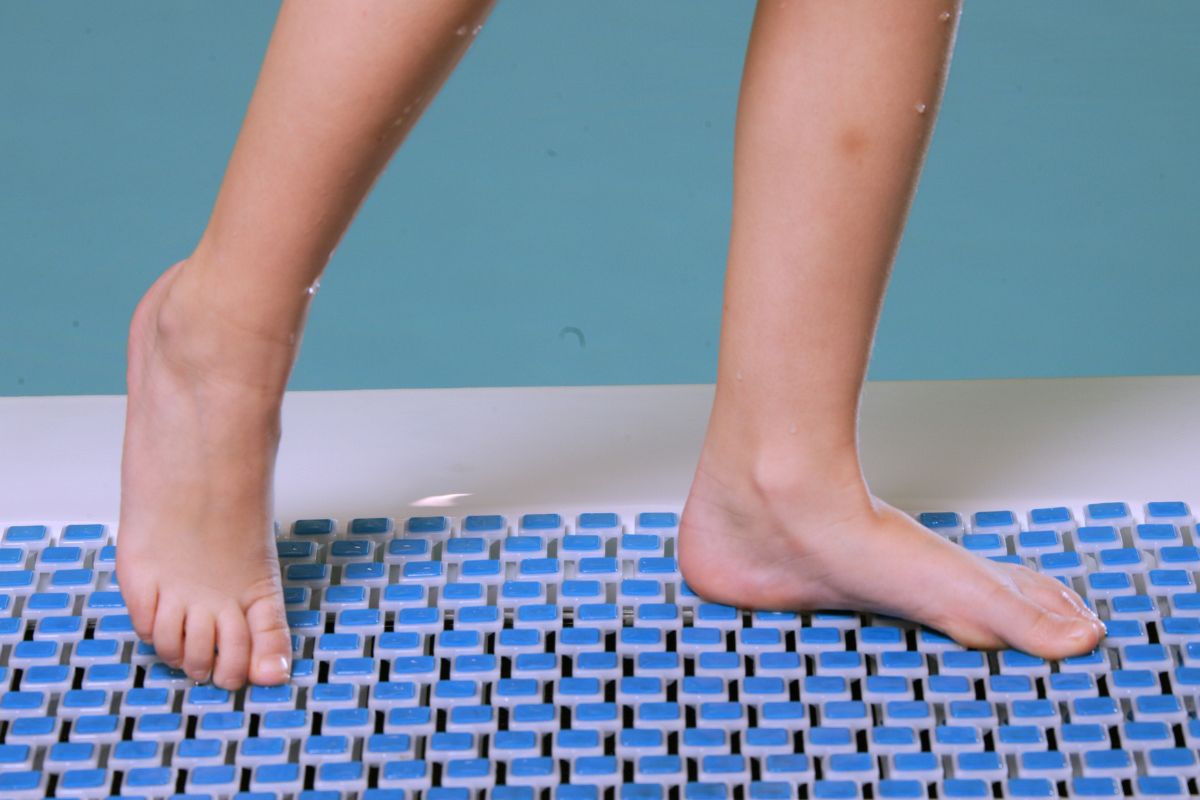
On top of this solid base, through advanced co-injection processes, a contact surface made of thermoplastic elastomer is integrated. This combination radically changes the user experience. Thermoplastic elastomer provides a completely smooth finish and a pleasant barefoot walking sensation, eliminating the risk of abrasions or discomfort typical of old rigid plastics. The total absence of protrusions, movable parts, or the possibility of splinter formation ensures a truly unique finish. From a safety perspective, this technology has successfully passed the strictest European standards tests for sports facilities, obtaining the highest anti-slip certifications, such as DIN 51097 and EN 13451-1. The result is a surface that combines extraordinary wet grip with unprecedented tactile comfort, ideal both for high-traffic water parks and quiet saunas and thermal changing rooms.
The elegance of wood and the durability of porcelain stoneware: new premium frontiers
For projects where luxury and integration with the natural landscape are fundamental requirements, pool edges are now embracing the use of noble materials skillfully combined with polymer technology. One of the most exclusive international solutions is the structural fusion between polypropylene and teak, the most resistant and prestigious wood species in the nautical and outdoor sectors. In this innovative system, teak replaces the elastomer, offering an unmatched sensation of natural warmth and comfort to the touch. This aesthetic and functional synergy allows the grating to integrate seamlessly into wooden flooring or organic architectural settings, without losing the advantages of modularity and flexible drainage provided by the underlying plastic base.
At the same time, porcelain stoneware represents the other major expression of cutting-edge design for infinity overflow pools. Porcelain stoneware provides absolute material continuity with modern outdoor ceramic coverings, allowing the drainage grating to become almost completely invisible. In addition to its minimalist and rigorous aesthetic appeal, porcelain stoneware guarantees exceptional performance in terms of scratch resistance, color stability under sunlight exposure, and total chemical inertness. Whether choosing the warm hospitality of wood or the material rigor of porcelain stoneware, the goal of modern design remains the same: to elevate the water perimeter into an integrated furnishing element.
Modularity, geometries and cutting-edge solutions
The efficiency of a drainage system is not measured solely through the chemistry of its components, but also through the geometric versatility of its structure. Modern grating systems, such as the Scacco model, are engineered to adapt to any architectural profile, whether straight or characterized by sinuous and complex curves. The availability of differentiated thicknesses and widths ranging from narrow and discreet formats to wide sections for large hydraulic flow rates allows designers to calibrate drainage according to the pool’s water volume. For ninety-degree corner areas, where mechanical stress is concentrated, the inclusion of stainless steel structural reinforcements ensures exceptional stability and prevents breaking points.
The ability to follow complex curved profiles, thanks to minimum bending radii engineered down to the millimeter for each channel width, opens infinite creative possibilities in the design of freeform pools, artificial lagoons, and hydromassage paths in spas. Furthermore, modern industrial processes make it possible to overcome the limits of standard formats by performing custom precision cuts directly during production. This level of structural flexibility guarantees fast installation free from visual imperfections, eliminating laborious on-site adaptations and ensuring perfect alignment with the surrounding flooring.
Color customization and brand identity in the drainage channel
The latest frontier conquered by the design of infinity pool overflow gratings concerns color aesthetics and brand identity customization. Far removed from the days when drainage channels were limited to monochromatic and standardized industrial solutions, today’s technology allows complete creative freedom. It is possible to configure single-color gratings, where the base and anti-slip surface blend chromatically with the surrounding stone or ceramic, or opt for two-tone combinations that create elegant graphic contrasts capable of highlighting the pool perimeter and visually guiding bathers.
This aesthetic flexibility extends to the possibility of imprinting a distinctive and permanent mark directly onto the surface of the channel, with the option of customizing the individual elastomer grating elements with the client’s embossed logo. This opportunity becomes an extraordinary branding tool for luxury hotels, wellness centers, sports clubs, and hospitality facilities wishing to communicate attention to detail and prestige in every square centimeter of their structure, transforming a purely functional element into a powerful vehicle of corporate identity.
FAQ
- What are the concrete advantages of a bi-material grating compared to a traditional rigid plastic one?
Traditional gratings made from a single rigid polymer tend to become slippery when wet and, over time, may crystallize due to UV rays and chlorine exposure, potentially producing sharp splinters. The bi-material solution separates the functions: the polypropylene base ensures mechanical strength and chemical resistance, while the upper thermoplastic elastomer surface guarantees certified anti-slip performance at the highest European standards together with a soft, smooth, and pleasant consistency for bare feet, eliminating the risk of injuries or discomfort. - How does the combination of polypropylene and teak wood behave in contact with pool water?
The system is designed to offer the highest level of natural aesthetics without the instability problems typical of entirely wooden structures. Polypropylene forms the lower structural core that connects to the channel and guarantees correct water drainage while remaining immune to rot. The teak used on the surface is a noble wood rich in natural oils that repels water, resists pool chemicals exceptionally well, and provides outstanding outdoor stability, while simultaneously delivering the aesthetic prestige of real wood. - Can these gratings be adapted to freeform pools or very tight curves?
Yes, flexible and bendable models are specifically developed to support designers’ creativity. Depending on the selected grating width, the structure can faithfully follow the profiles of geometric or sinuous pools. There are precise minimum bending radii calculated according to the module dimensions, allowing curved channels to be covered smoothly and continuously without creating dangerous gaps or unattractive interruptions in the edge design. - What safety certifications should gratings for public pools and spas have?
In public, sports, or commercial environments, regulatory compliance is a fundamental prerequisite to avoid disputes and ensure user safety. High-end gratings must pass the tests required by the DIN 51097 standard for determining anti-slip properties in barefoot walking areas and comply with the requirements of EN 13451-1 concerning swimming pool equipment. Achieving the highest ratings in these tests certifies that the product is safe against slipping accidents even in the presence of heavy surface water flow.
Whether you are designing a luxury residential swimming pool, a modern water park, or an exclusive thermal spa, the choice of materials for the infinity overflow edge defines the boundary between an ordinary project and a masterpiece of engineering and design. Do not compromise between the safety of your guests and the aesthetics of your facility.
Contact our technicians today: we are ready to support you in choosing the bi-material, teak, or porcelain stoneware combinations best suited to your architectural needs, offering you tailor-made solutions and customized samples.