When you decide to build a swimming pool, especially an in-ground pool, you begin a design process in which you define its size, aesthetics, features, and functionality. You don’t simply buy a pool — you create it by developing an idea that takes into account the characteristics of the land, the building, the surrounding environment, and the needs and preferences of the client.
It’s important to clarify right from the start — and this also deeply affects the cost of an in-ground pool — that this kind of project doesn’t just involve the pool basin itself. The construction of in-ground pools requires structural work as well as the selection of components that, while often invisible or overlooked, are essential to ensure the proper functioning of the entire system.
Among these components are the gratings for in-ground pools, particularly the anti-slip ones. The pool gratings ensure the proper drainage of water and contribute to the hygiene, aesthetics, and durability of the system. Let’s take a closer look at what to consider when designing an in-ground pool.
How to choose the most suitable pool based on the context
The choice of in-ground pool model must first consider the surrounding environment. Whether it’s a garden or a terrace, a flat area or a sloping ground, it’s important to start from the context to develop a design that is visually consistent and functionally practical.
For example, if the pool is located in a large green garden, it can become a visual focal point, a landscape element as well as a functional one. In contrast, in an urban context or a smaller courtyard, it’s best to choose smaller dimensions, a sober style, and materials that harmonize with the building and outdoor flooring. The orientation, shade, surrounding vegetation, and the presence of children or pets also influence the decision. In the case of in-ground pools within prestigious residential contexts, you can opt for fine materials and elegant finishes, while in more rustic or secondary settings, simpler solutions may be more appropriate.
Once these factors are defined, you can begin the design of the in-ground pool, paying particular attention to the pool edge area. Here, it’s important to ensure that drainage is efficient and the flooring is stable and safe.
The importance of gratings for in-ground pools
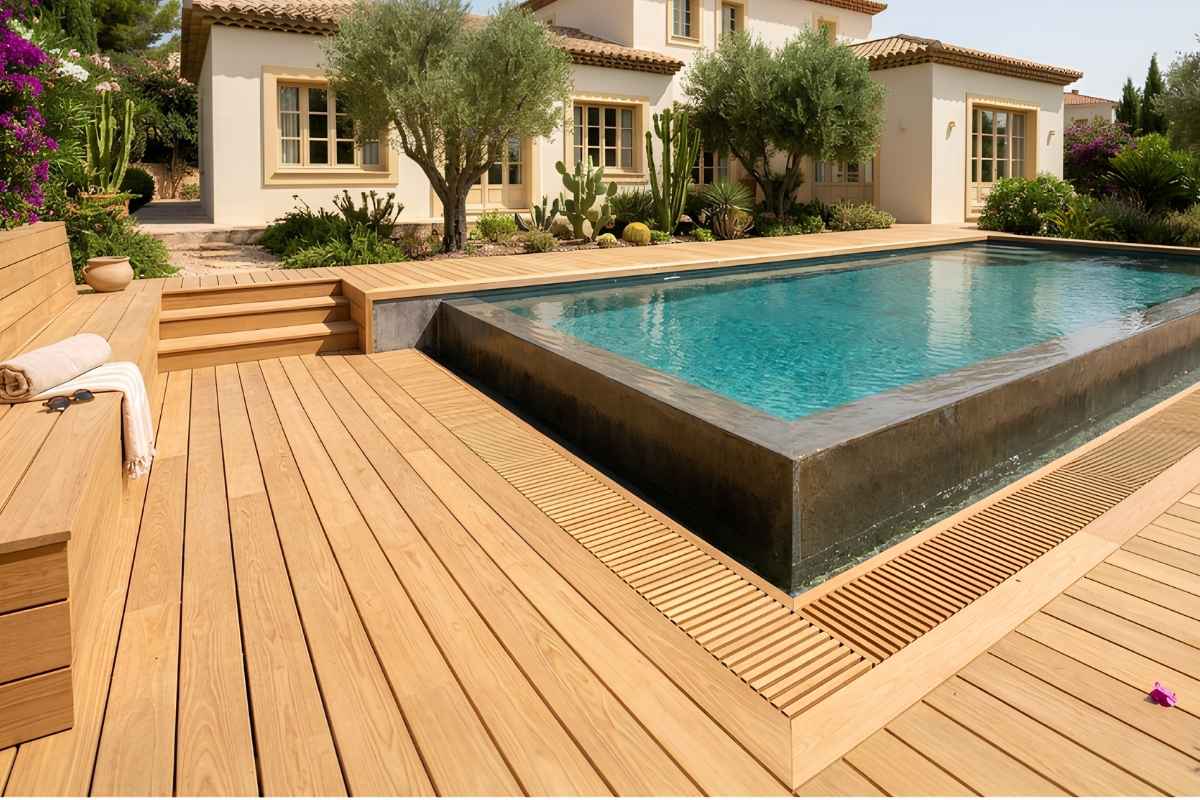
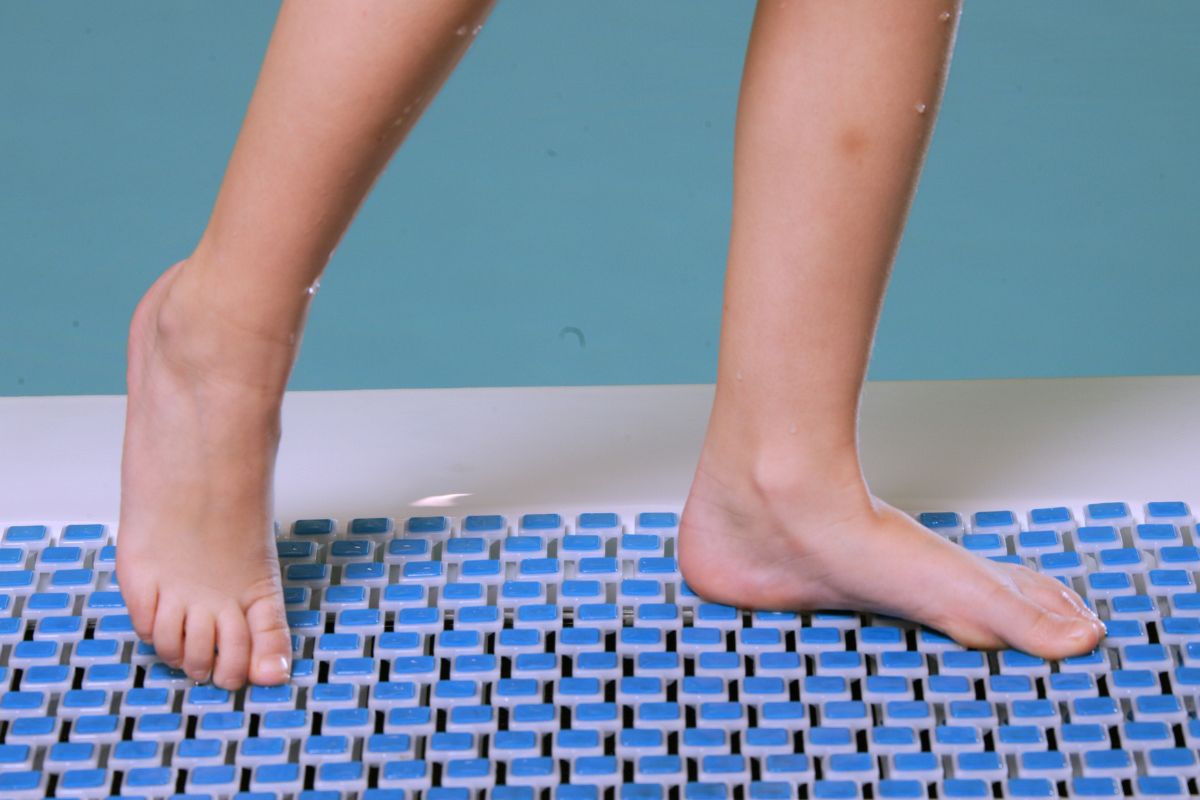
To achieve these goals, it’s essential to pay attention to the choice of anti-slip gratings. These are a technical detail that many underestimate but are crucial for the safety, functionality, and aesthetics of the pool. Placed along the pool edge, the gratings allow excess water that overflows from the basin to drain properly into the discharge or recirculation system, preventing stagnant water that could be both unhygienic and slippery. Anti-slip gratings are designed with grooved or perforated surfaces that increase grip and reduce the risk of falls — especially important in environments with children or the elderly.
To ensure excellent performance in pool grating design, Nexus Srl offers innovative solutions made from bi-materials and customizable options. Thanks to this customization, the grating becomes not just a technical component but also a visual element that enhances the harmony of the pool.
Components and accessories for in-ground pools
What applies to gratings also applies to accessories and components, which are equally essential to complete an in-ground pool that’s both beautiful and safe to use. The main components for in-ground pools include:
- filtration systems
- skimmers
- underwater lights
- pumps
- water treatment systems
- liners
- covers
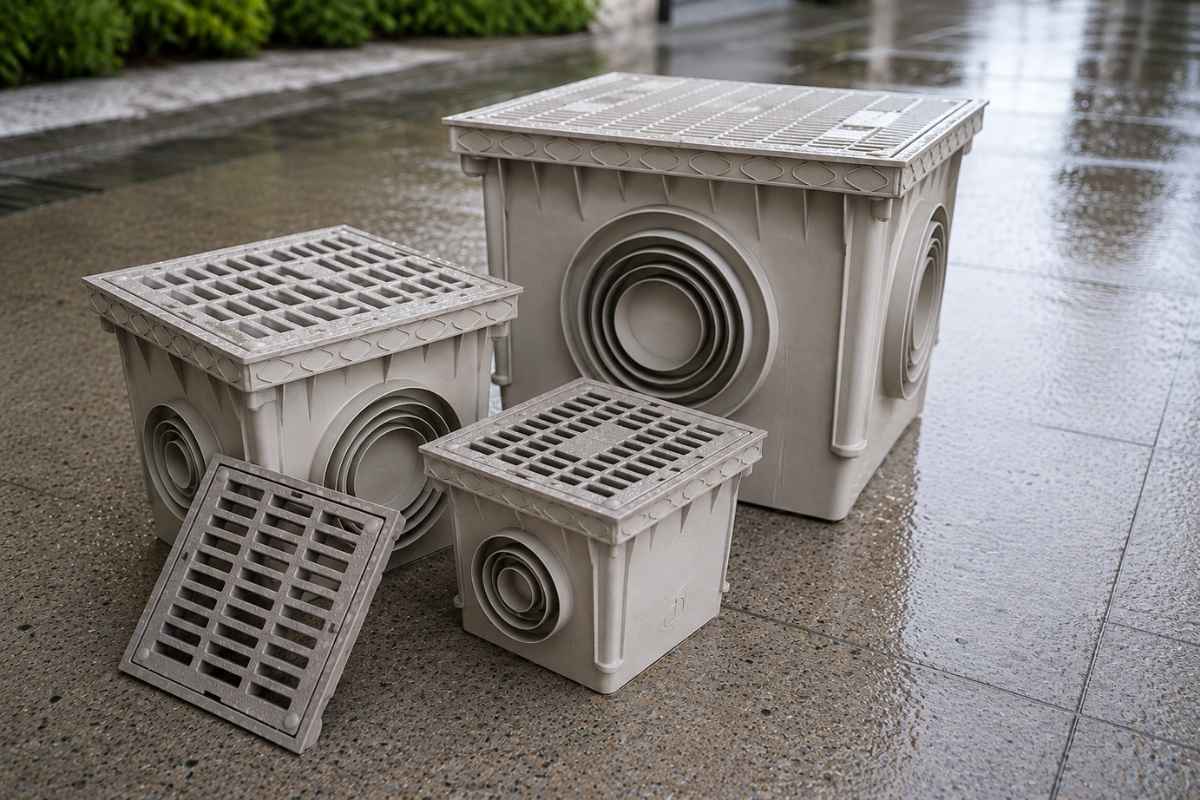
Each of these elements has a significant impact on the final design, which is why they must be chosen carefully. Proper design ensures that the grating is perfectly aligned with the tiles or outdoor paving, that the joints are watertight, that the underlying channel provides adequate capacity, and that cracks or deformations are prevented from the start. Investing in quality components pays off over time with lower maintenance, better aesthetics, and greater durability.
Protecting the pool with covers and maintenance
When it comes to maintenance, it’s worth paying particular attention to in-ground pool covers. These are strategic in several ways — from allowing pool use beyond the summer season to improving safety, as well as impacting energy efficiency and cleaning and maintenance costs. There are different types of covers:
- rigid covers
- telescopic covers
- automatic covers
- isothermal covers
Rigid covers are made from durable materials and are ideal for protecting the pool during the winter months or long periods of inactivity. They offer excellent protection against dirt, leaves, and weather. Telescopic covers, on the other hand, are movable structures that can be partially or fully retracted. In addition to protecting the pool, they allow you to use it even in adverse weather conditions. Automatic covers include motorized systems that open and close easily, improving the daily management of the pool and offering good protection. Finally, there are isothermal covers — lightweight, floating structures that help retain the water’s heat, reducing thermal loss and energy consumption.
The type of cover also affects the level of maintenance required for in-ground pools. Essential activities include checking and cleaning the gratings, cleaning the overflow channels, and checking the alignment of the platforms. Each type of cover directly influences how often these operations need to be carried out, as a well-covered pool requires less daily maintenance, remaining cleaner and better protected.