The European photovoltaic sector is undergoing a phase of profound transformation. Today, the main photovoltaic innovations concern not only the development of new technologies, but also the evolution of regulations, the quality of components and the need to build an increasingly resilient, secure and competitive energy supply chain.
The growth of renewable energy, European energy transition targets and new market requirements are driving companies and operators to seek solutions capable of ensuring greater efficiency, reliability and long-term continuity.
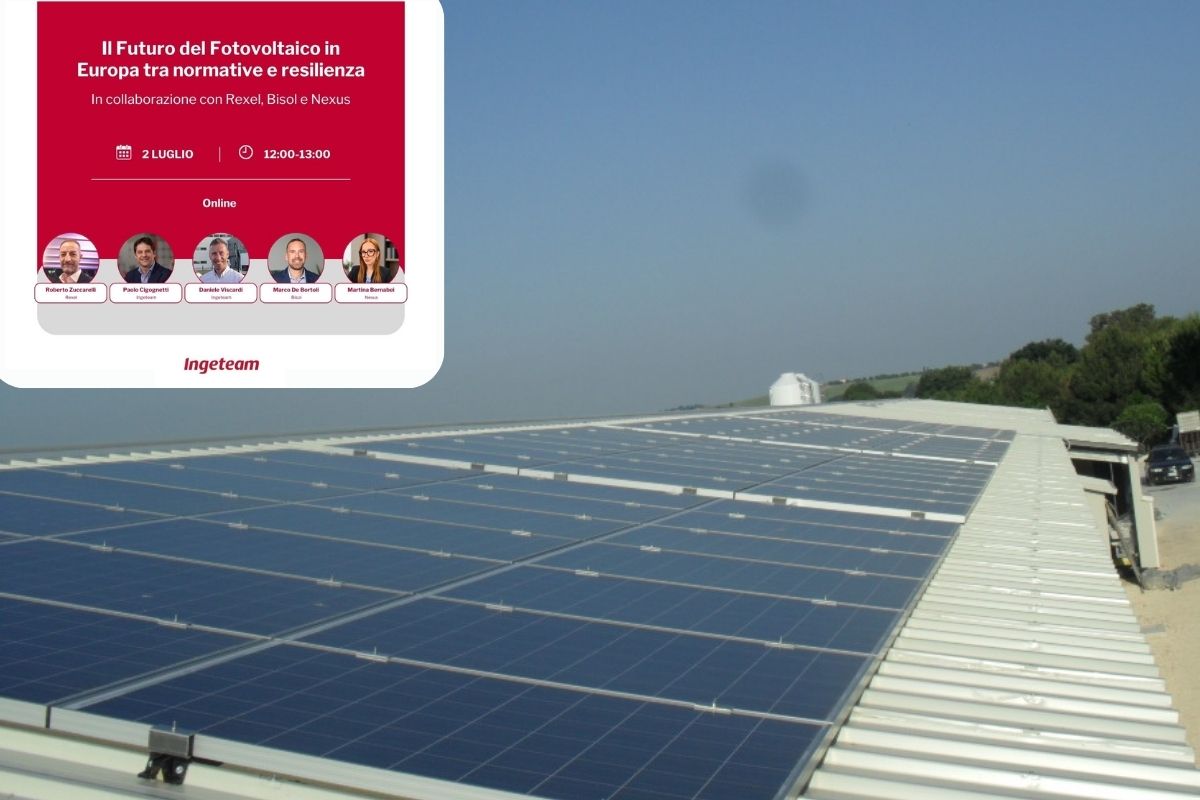
In this scenario, Nexus will be among the key participants in the webinar “The Future of Photovoltaics in Europe: Regulations and Resilience”, organised by Ingeteam and Rexel in collaboration with Bisol and Nexus, an event dedicated to the developments reshaping the future of the photovoltaic sector.
The event will represent an opportunity for companies and industry professionals to discuss technological innovations, market opportunities and regulatory changes driving the growth of the European photovoltaic sector.
Nexus and the technological evolution of photovoltaics
The transformation of the energy market requires an approach increasingly focused on innovation and quality. In this context, Nexus acts not only as a company active in distribution, but as a partner capable of selecting technologies and solutions aligned with the new needs of the sector.
Through its photovoltaic product offering, Nexus supports installers, companies and operators in the development of efficient and reliable systems, providing solutions designed to improve safety, optimise installations and contribute to the creation of a stronger supply chain.
The focus on innovative products and advanced technical solutions enables Nexus to support the market towards an increasingly high-performance photovoltaic model, where every component of the system contributes to achieving efficiency and sustainability goals.
Innovative mounting systems: greater flexibility and efficiency for photovoltaic installations
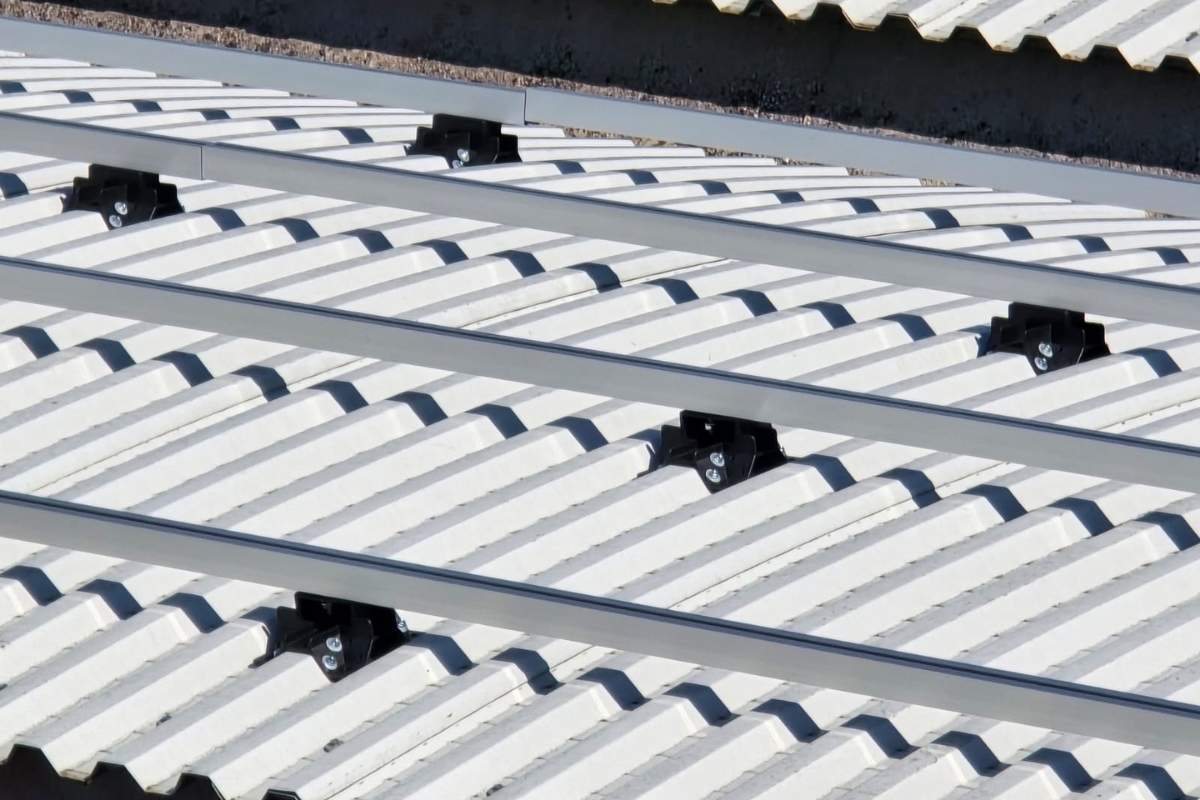
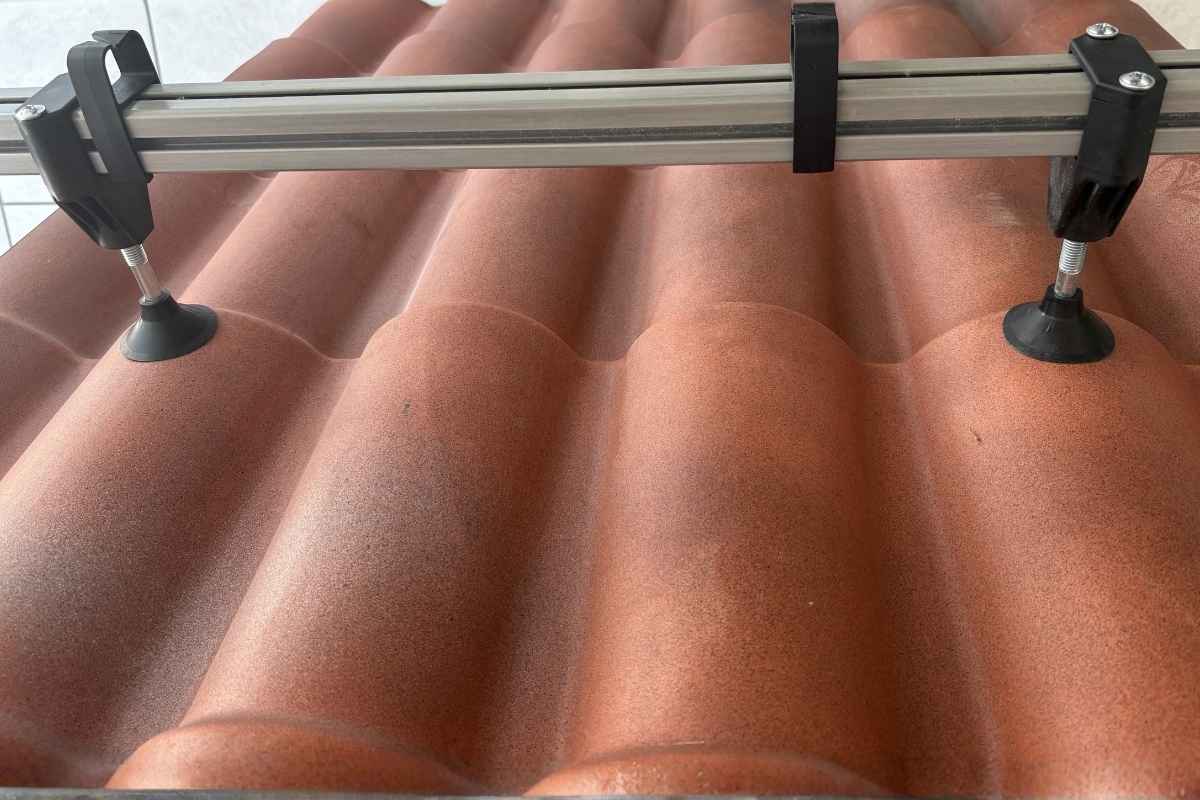
Among the solutions offered by Nexus are innovative systems for positioning and mounting photovoltaic panels, designed to meet the different application needs of the market.
Nexus mounting systems allow modules to be installed on multiple surfaces: from industrial roofs made of corrugated sheets and sandwich panels to residential tiled roofs, as well as ground-mounted systems and flat roof installations.
This flexibility makes it possible to adapt system design to the characteristics of the available surface, optimising space and simplifying installation activities.
The choice of high-performance technical materials, such as fibreglass-reinforced nylon also available in V0 flame-retardant class, ensures safety, resistance and long-term durability, increasingly important aspects in the development of modern photovoltaic systems.
Innovation, reliability and new needs of the energy supply chain
The new challenges of photovoltaics are not only related to increasing installed capacity, but also to the need to develop more integrated, efficient and reliable systems.
Component quality, system safety and the ability to quickly respond to technological and regulatory developments are strategic factors for a competitive supply chain.
Nexus supports this transformation through solutions designed to meet the needs of a constantly evolving market, where innovation, ease of installation and reliability are key factors.
The evolution of photovoltaics requires an increasingly comprehensive approach: from component selection to system design, through to safety management and regulatory compliance.
The future of European photovoltaics between regulations, opportunities and cybersecurity
The main topics driving the transformation of the sector will be at the centre of the webinar “The Future of Photovoltaics in Europe: Regulations and Resilience”, scheduled for 2 July.
The event will explore regulatory developments related to the Net Zero Industry Act, with particular attention to strengthening the European supply chain and new opportunities for clean technology sectors.
A specific focus will also be dedicated to the FER X Transitional framework and upcoming auctions, analysing objectives, timelines and requirements needed to address the new market scenario.
The event will also explore opportunities related to the Agrisolar Park Facility Call, together with compliance aspects and technical requirements that are increasingly important for photovoltaic development.
Among the central topics of the event will also be cybersecurity, a strategic element to ensure protection, reliability and operational continuity of energy systems.
The webinar will therefore provide an opportunity to understand how technology, innovation and regulations are contributing to shaping the future of European photovoltaics.
FAQ – Photovoltaic innovations
- What are the main innovations in the photovoltaic sector?
The main innovations in photovoltaics include the development of more efficient technologies, innovative installation systems, increased attention to system safety and the evolution of European regulations. - Why is innovation important in the photovoltaic sector?
Innovation makes it possible to develop more efficient, reliable and easy-to-install systems, improving overall performance and responding to the new needs of the energy market. - What is the role of mounting systems in photovoltaic installations?
Mounting systems are essential components to ensure system stability, safety and durability. Flexible and adaptable solutions allow photovoltaic panels to be installed on different surfaces and configurations. - Which regulations are influencing the future of European photovoltaics?
The most relevant elements include the Net Zero Industry Act, the FER X Transitional framework, upcoming auctions and tools supporting renewable energy development, such as the Agrisolar Park Facility Call. - Why is cybersecurity important for photovoltaics?
With the increasing digitalisation of energy systems, cybersecurity has become essential to protect systems, data and infrastructures, ensuring greater reliability and operational continuity.